
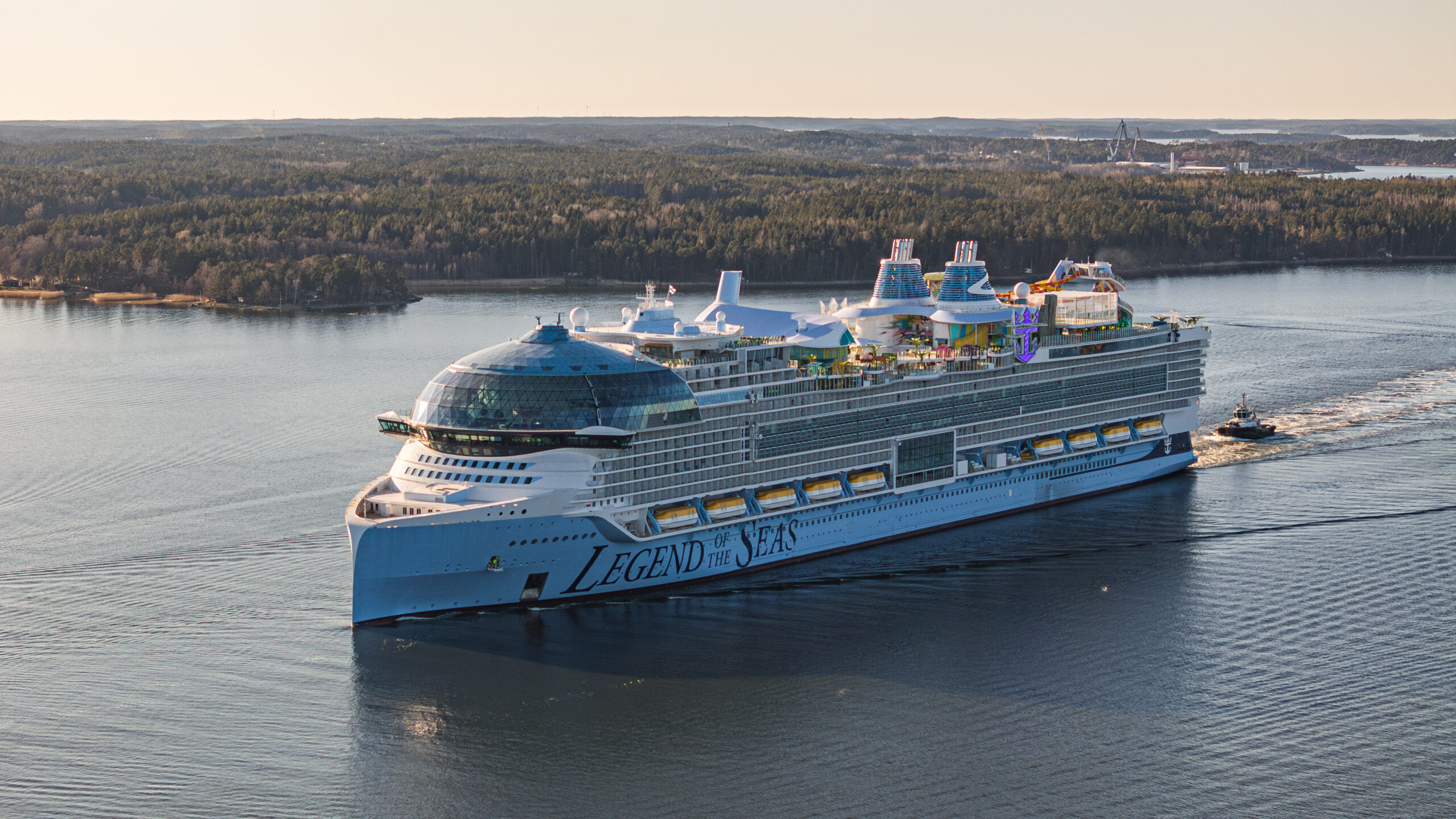
In the quiet, steel-gray waters of the Baltic Sea, a new icon of modern travel has begun to move—not as a concept, nor as a promise, but as a living, breathing masterpiece of engineering and design.
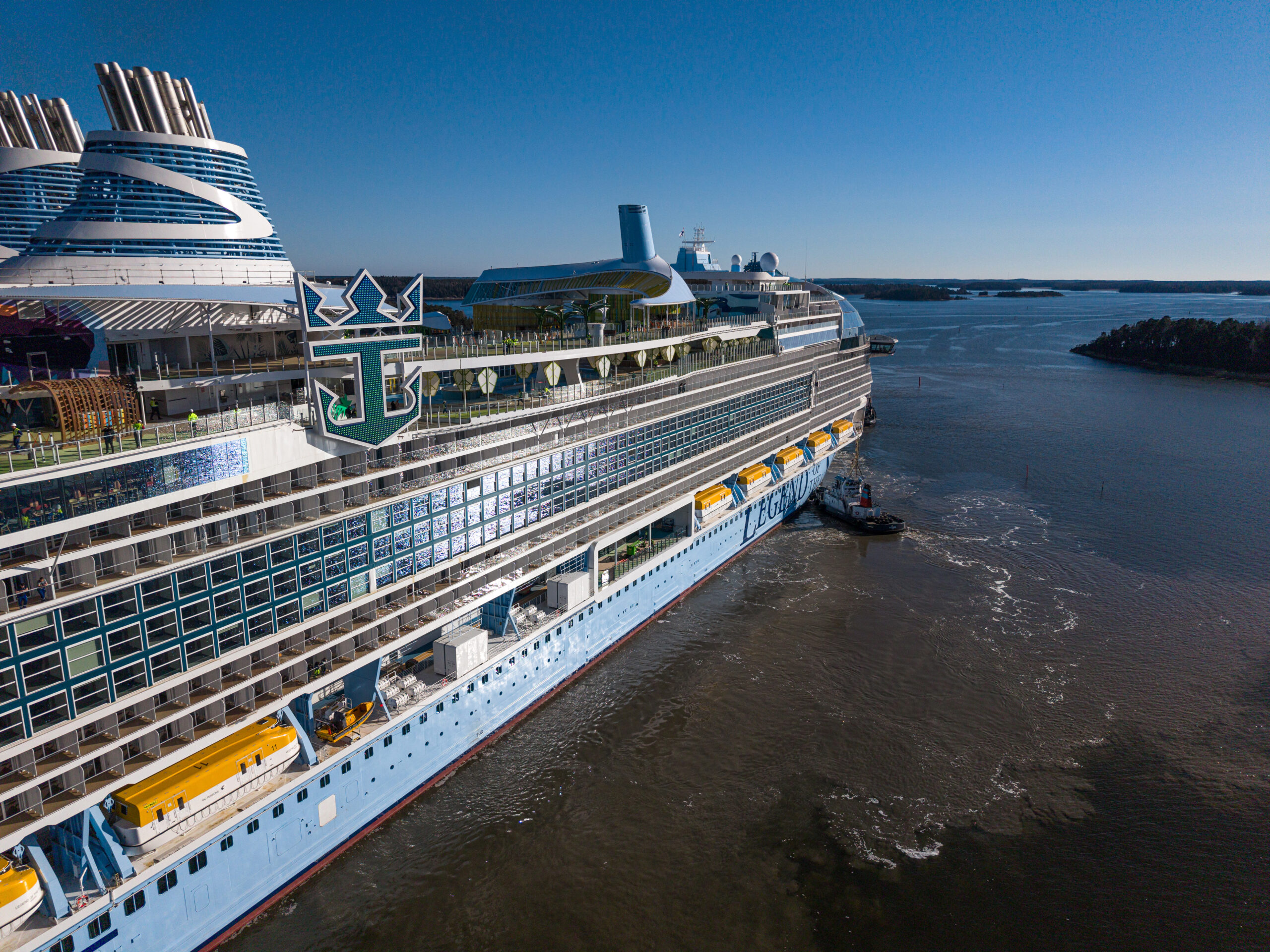
Royal Caribbean’s Legend of the Seas has officially embarked on her sea trials, slipping away from the Meyer Turku shipyard in Finland and into open waters for the very first time. This moment—almost cinematic in its symbolism—marks one of the final and most critical milestones before the ship’s debut in July 2026.
For ten days, she will be tested relentlessly. More than 2,000 engineers, naval architects, and specialists are onboard, pushing the vessel across approximately 2,400 nautical miles, evaluating every system—from propulsion and navigation to the intricate choreography of onboard life.
But beyond the data and diagnostics, something more profound is taking shape: a new definition of luxury at sea.
To call Legend of the Seas a cruise ship feels almost reductive.
She is, in every sense, a floating destination—a curated world designed to rival the finest resorts on land. As the third vessel in Royal Caribbean’s transformative Icon Class, she builds upon a philosophy that reimagines the ocean voyage as an immersive, multi-sensory experience.
At her core lies a bold architectural idea:
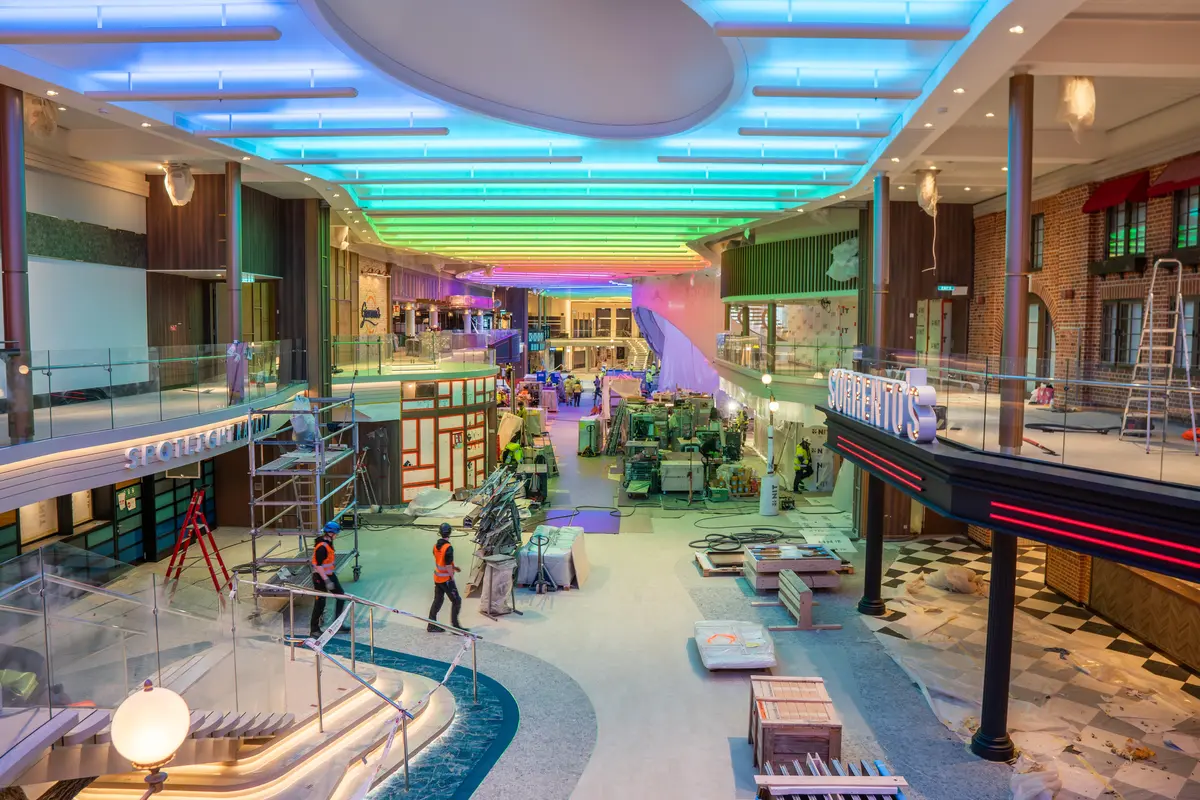
eight distinct “neighborhoods,” each with its own identity, atmosphere, and rhythm.
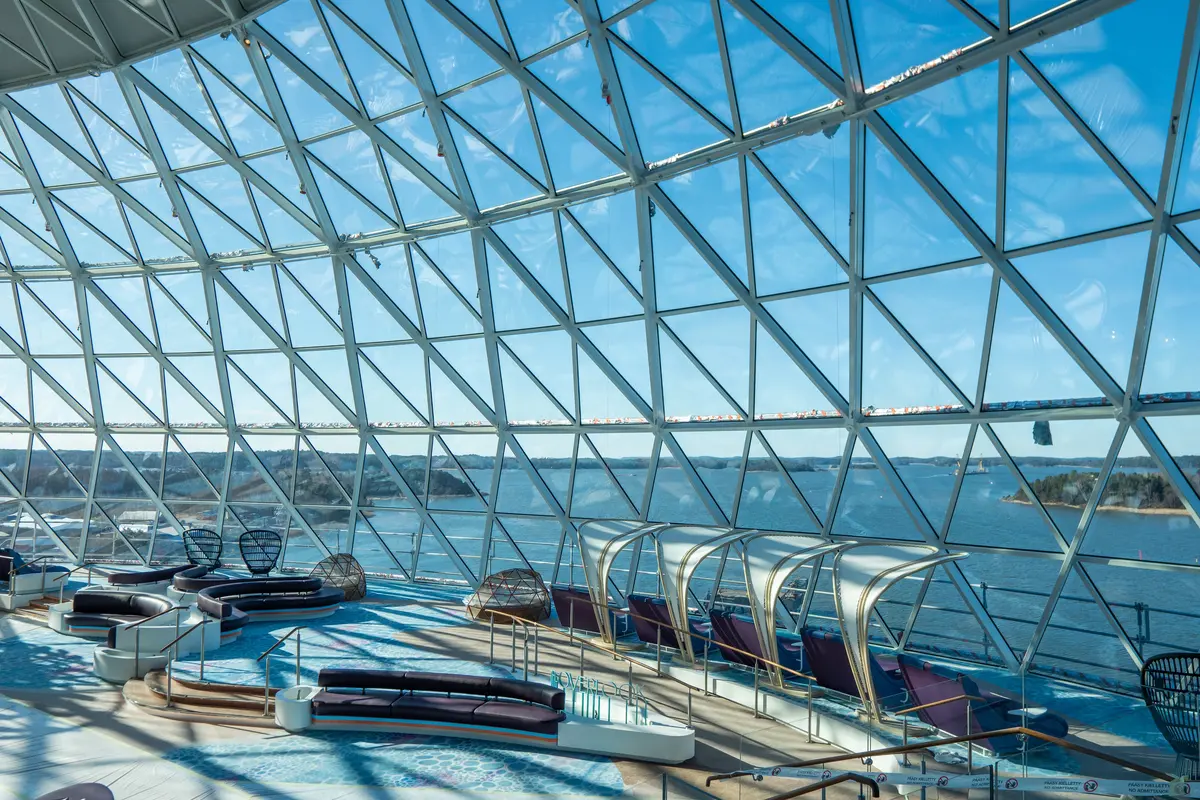
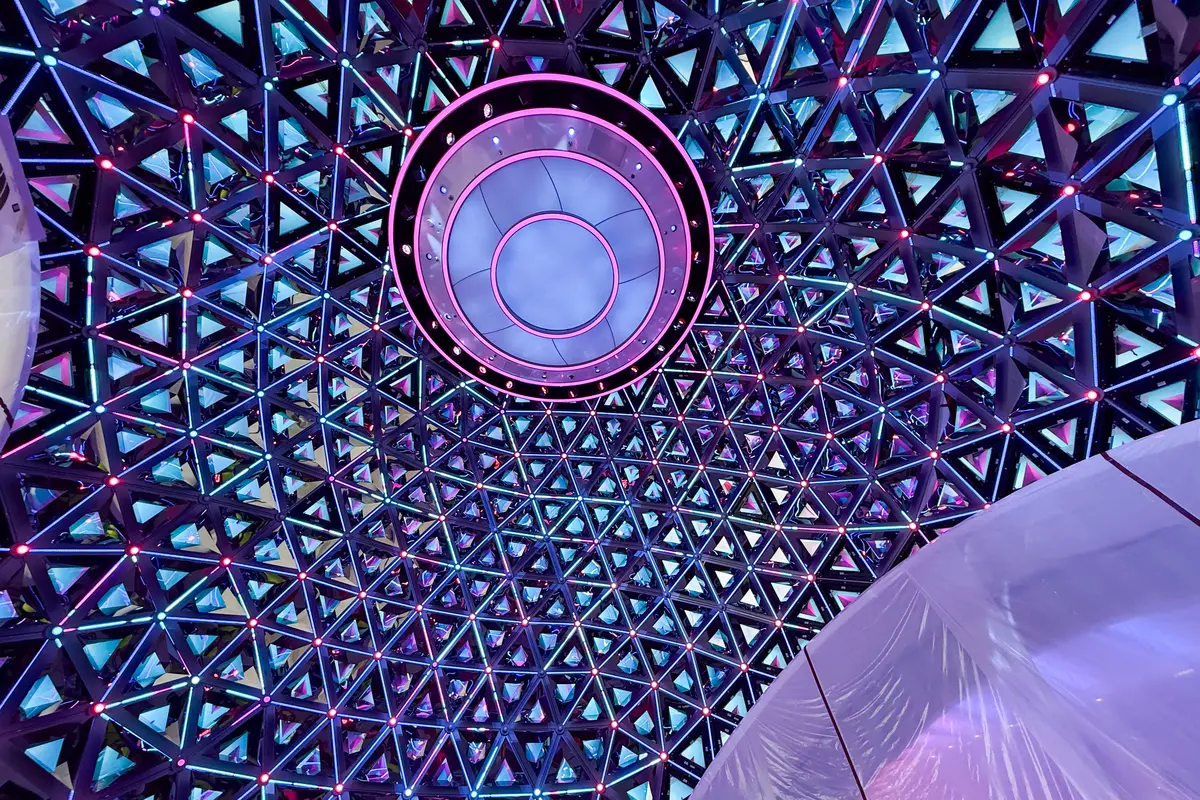
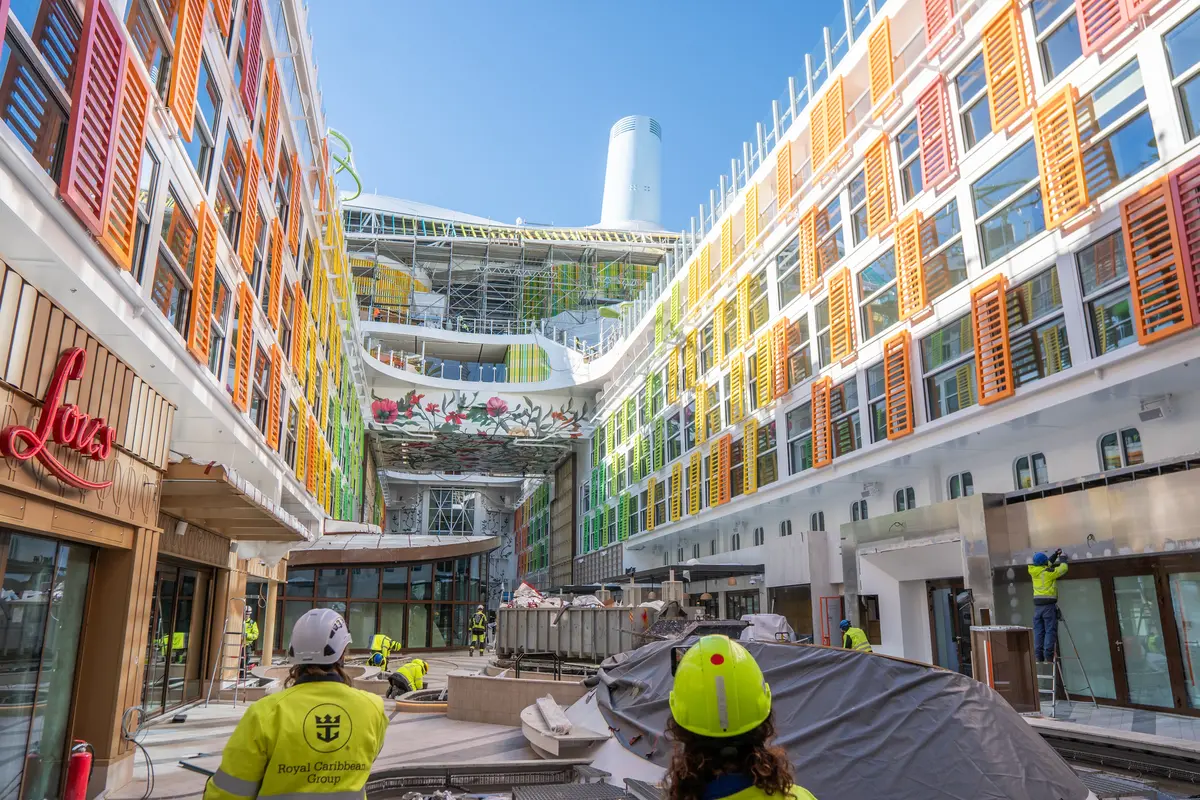
From the lush serenity of Central Park, where thousands of living plants sway in the sea breeze, to the dramatic glass-enclosed AquaDome, where ocean views frame acrobatic performances, the ship is designed as a sequence of emotional landscapes rather than a single continuous space.
Elsewhere, guests will move between contrasting worlds:
Each transition feels intentional—almost cinematic—creating a sense of discovery that unfolds throughout the voyage.
On Legend of the Seas, dining is no longer simply a service—it is an experience.
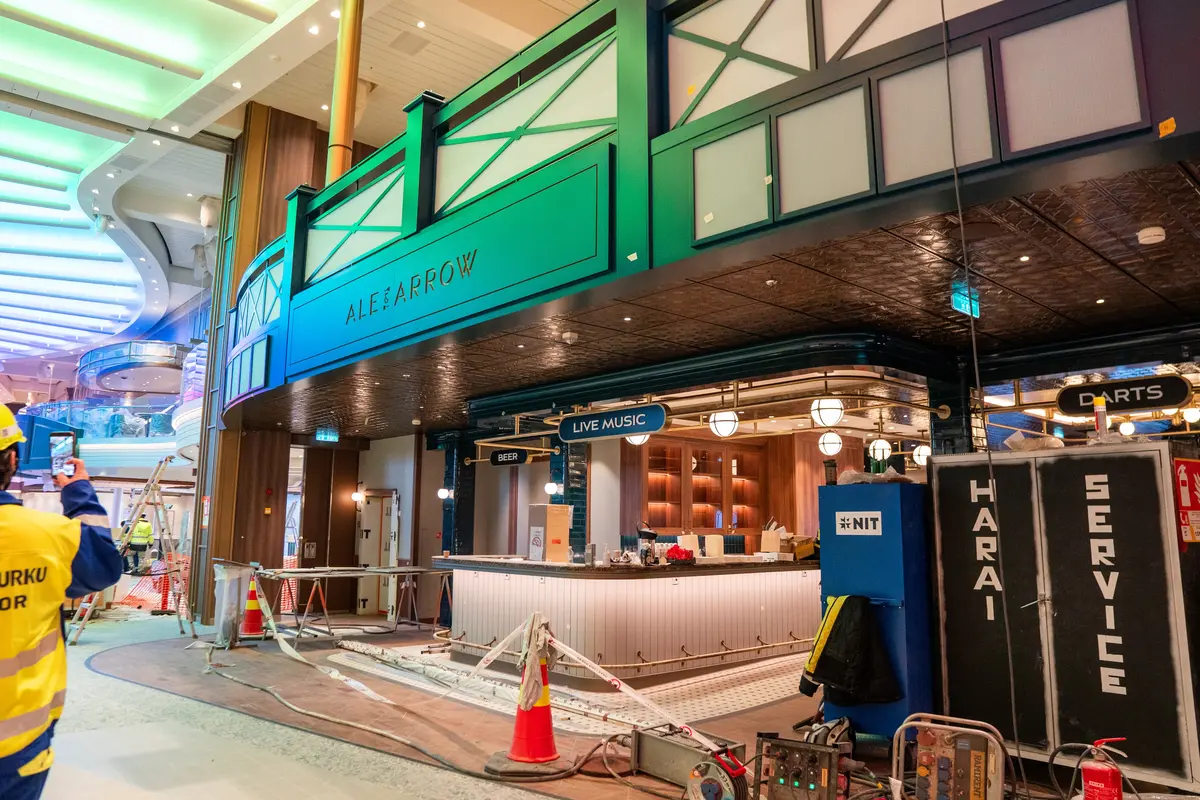
With more than 40 venues spanning cuisine, culture, and concept, the ship delivers one of the most diverse culinary offerings ever assembled at sea.
Among its most anticipated experiences is the Royal Railway – Legend Station, an immersive dining concept that transforms a meal into a journey, blending storytelling, design, and gastronomy into a single, theatrical narrative.
Elsewhere, guests can drift through elevated markets, refined supper clubs, and panoramic dining rooms where the horizon becomes part of the ambiance.
This is not dining as routine—it is dining as destination.
Luxury aboard Legend of the Seas is not defined solely by refinement, but by contrast—the interplay between tranquility and exhilaration.
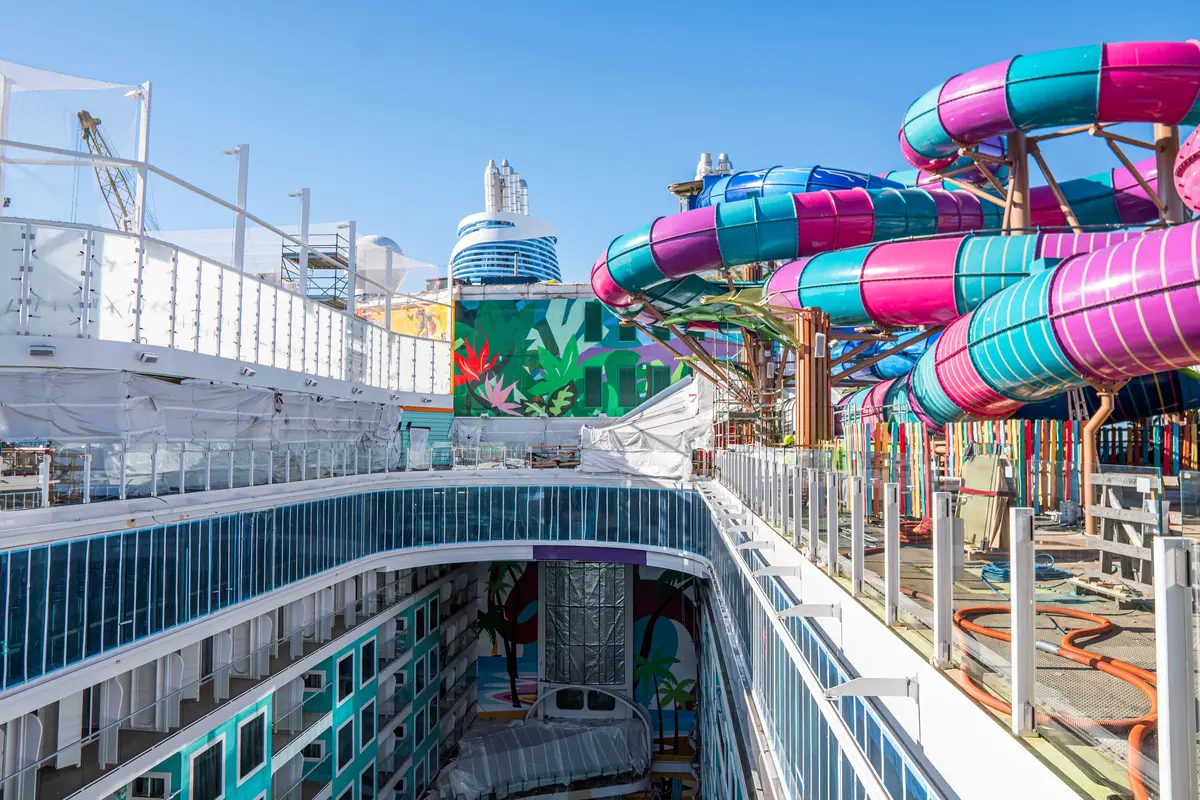
Here, adrenaline and elegance coexist effortlessly:
Even entertainment has been elevated into spectacle, with new productions and high-profile collaborations designed to rival world-class venues on land.
Yet just steps away, guests can retreat into quieter moments—sun-drenched decks, secluded lounges, and the gentle rhythm of the open sea.
Beneath the glamour lies a feat of engineering precision.
During sea trials, every element of the ship is being scrutinized under real-world conditions—its engines pushed to maximum output, its maneuverability tested across shifting waters, its systems analyzed in full operational complexity.
The vessel is powered by liquefied natural gas (LNG), reflecting a broader shift toward more efficient, lower-emission cruising—an important step as the industry navigates its environmental future.
It is here, far from the spotlight, that the true foundation of luxury is built: reliability, safety, and seamless performance.
When Legend of the Seas officially enters service in July 2026, she will do so not in the Caribbean, but in the Mediterranean—marking the first time an Icon Class ship begins its journey in Europe.
From Rome and Barcelona, she will sail through some of the world’s most storied coastlines—France, Italy, Spain—before eventually crossing the Atlantic to begin a new chapter in the Caribbean.
It is a fitting itinerary for a ship designed to be both destination and journey.
Legend of the Seas does not merely follow in the wake of her predecessors—she refines, expands, and elevates the very concept of what a cruise can be.
This is not about transportation.
This is not even about vacation.
It is about creating a world—self-contained, immersive, and meticulously designed—where every detail, from engineering to emotion, is orchestrated to deliver something rare: a sense of wonder.
And as she cuts through the Baltic waters on her first true voyage, one thing becomes clear:
The future of luxury travel is no longer on land.
It is already at sea.
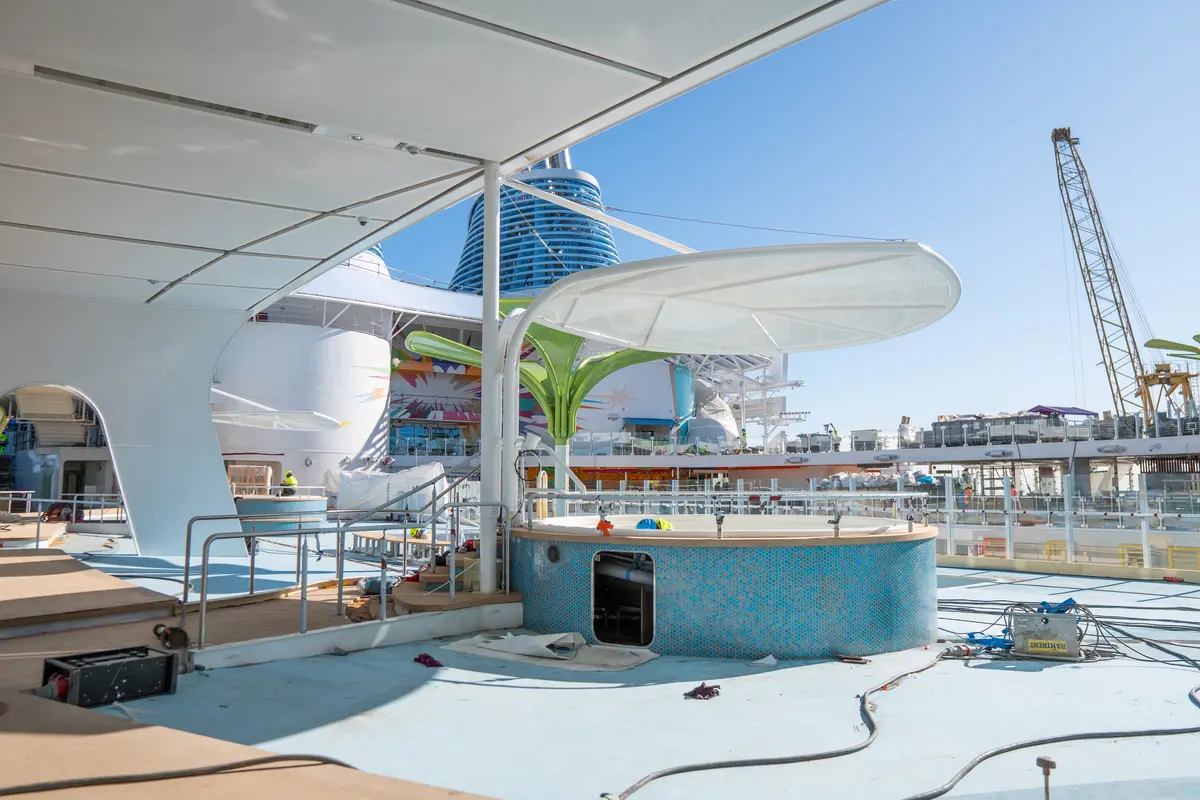
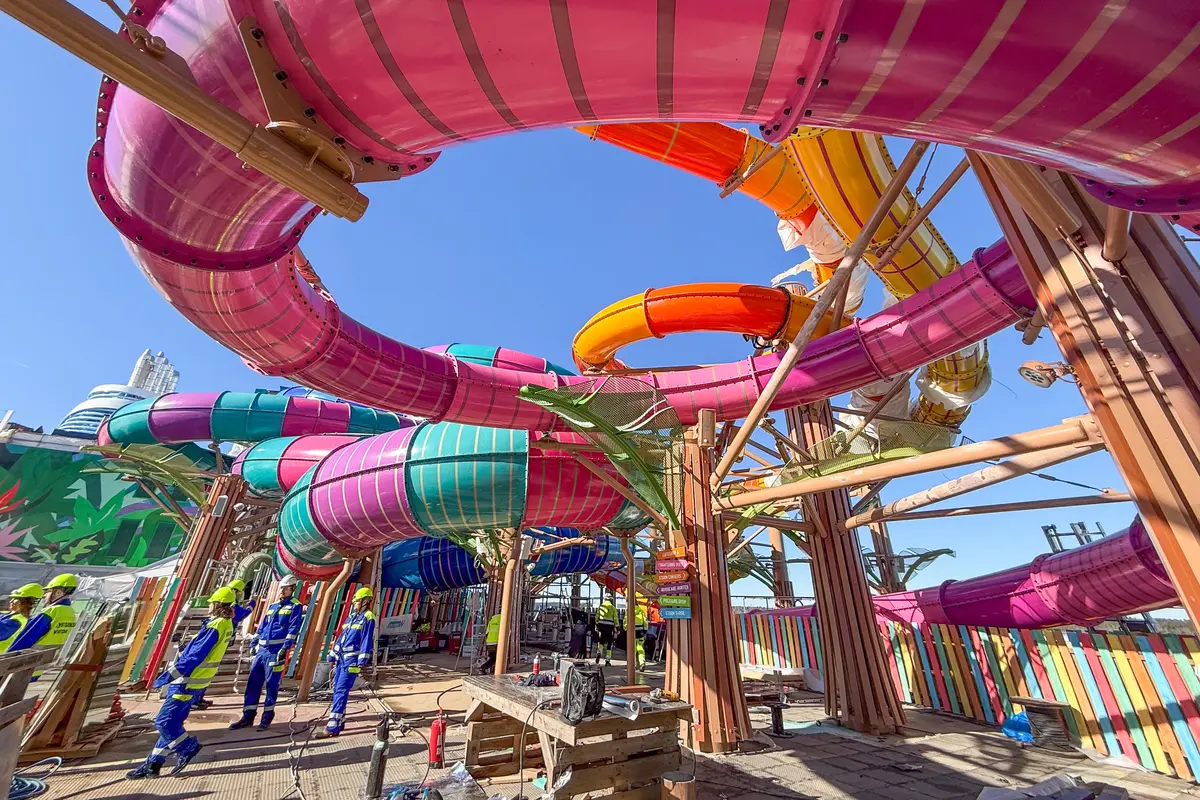
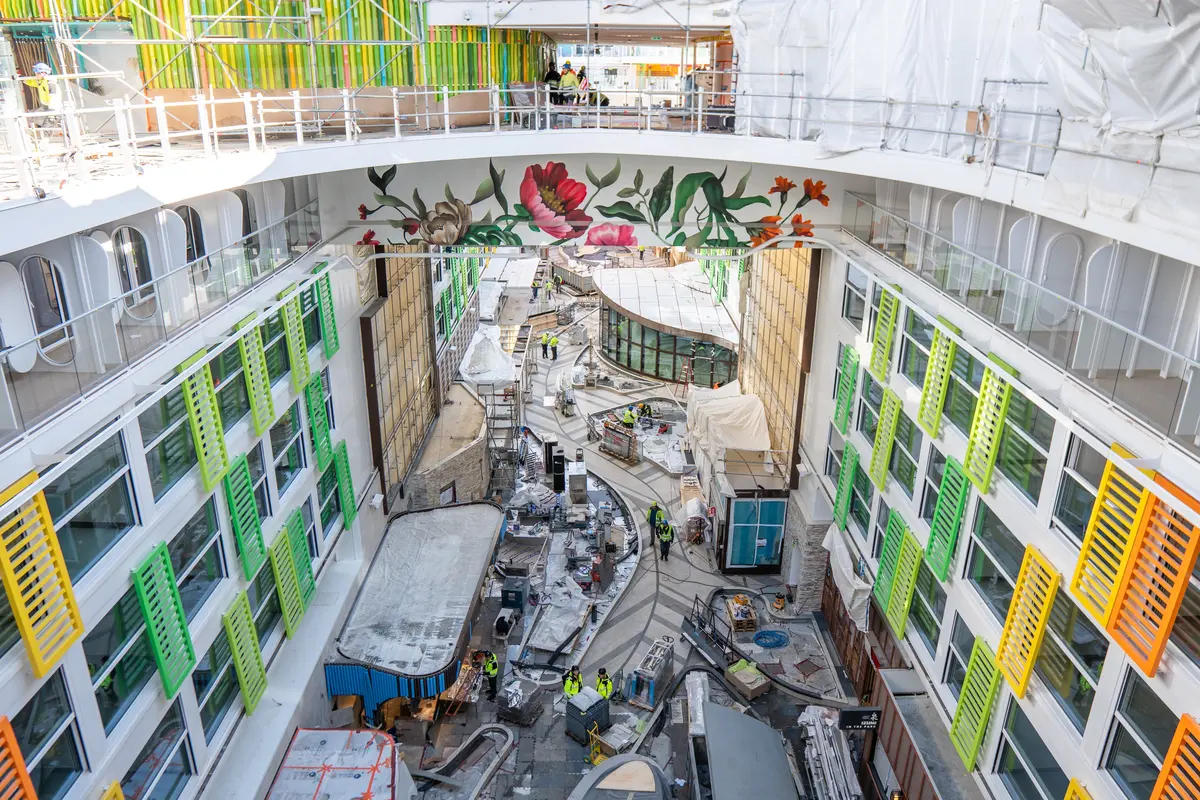
Royal Caribbean’s Legend of the Seas has officially entered sea trials — a defining milestone that transitions the vessel from construction to real-world operation.
Built at the Meyer Turku shipyard in Finland, the ship is now undergoing intensive testing ahead of its July 2026 debut, marking the arrival of the third vessel in the revolutionary Icon Class.
Sea trials represent the first time the ship operates as a complete system in open waters — where propulsion, navigation, safety, and onboard operations are tested simultaneously under real conditions.
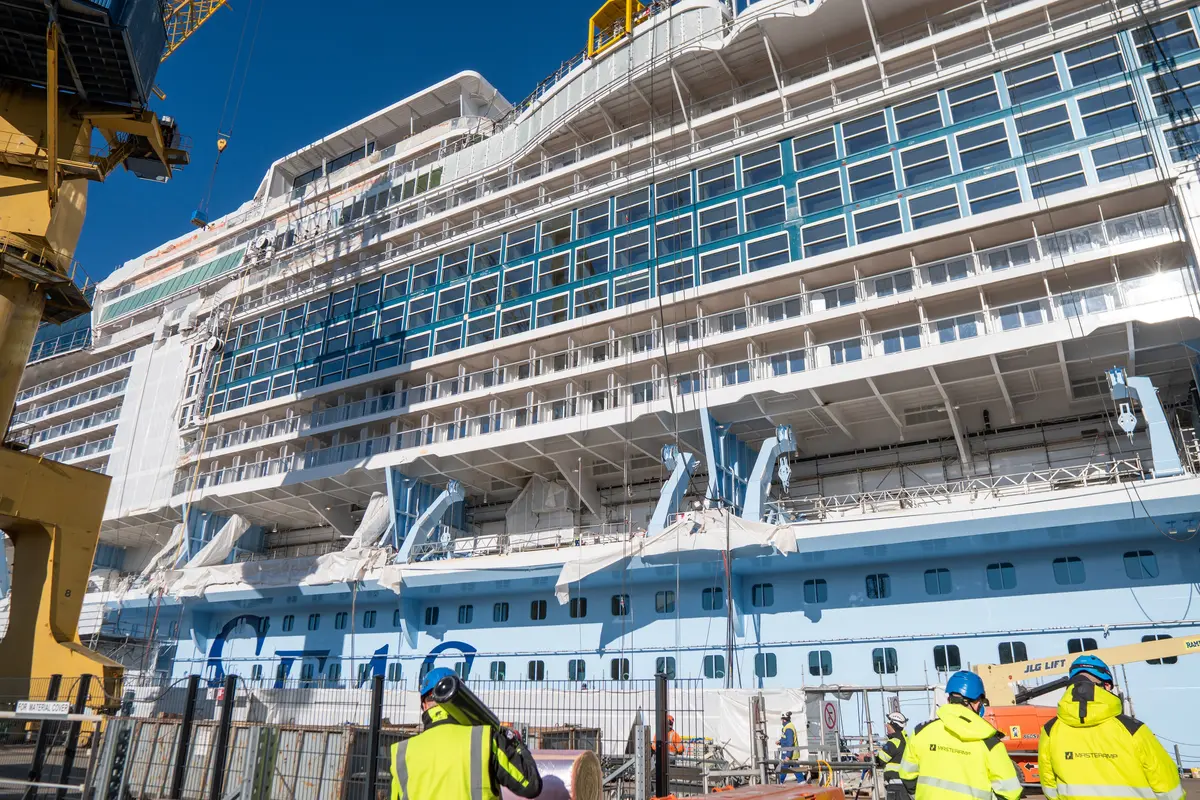
Legend of the Seas is not just another cruise ship — it is one of the largest and most complex passenger vessels ever built.
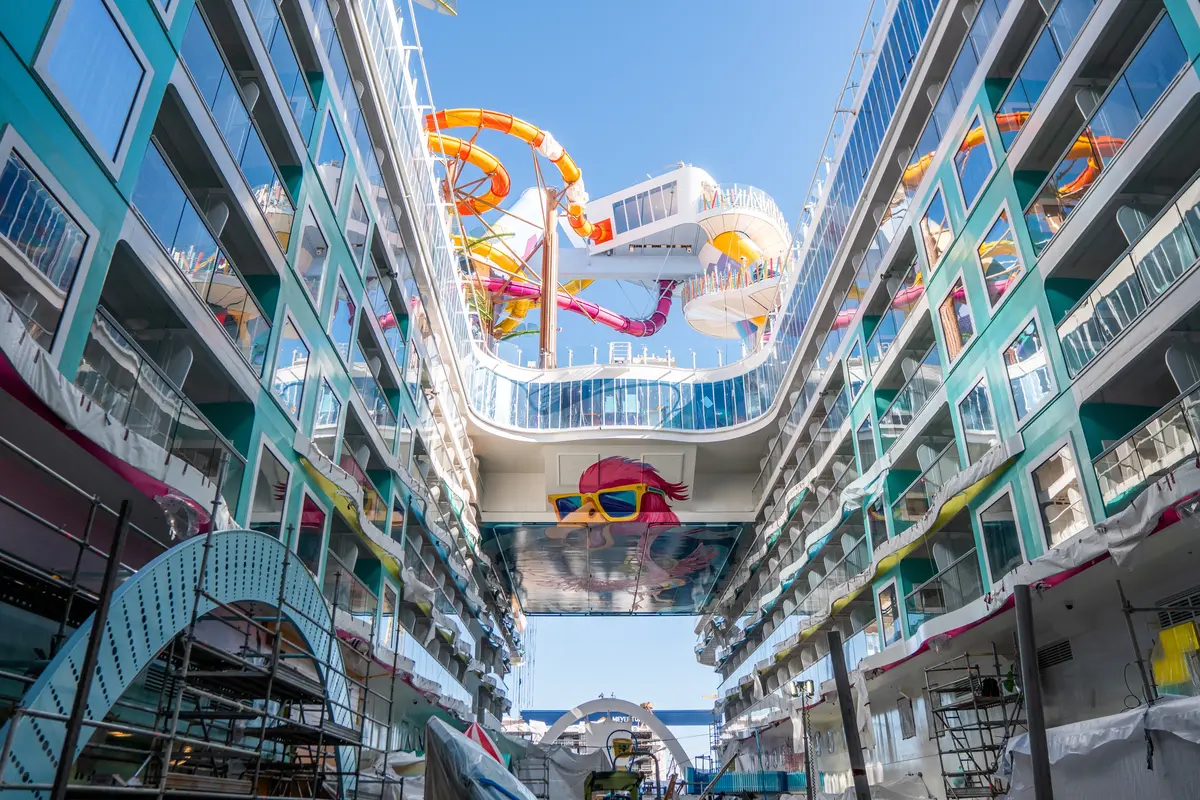
This places the ship firmly in the category of “floating megastructures”, comparable to its sister ships Icon of the Seas and Star of the Seas, which redefined cruise scale and onboard complexity.
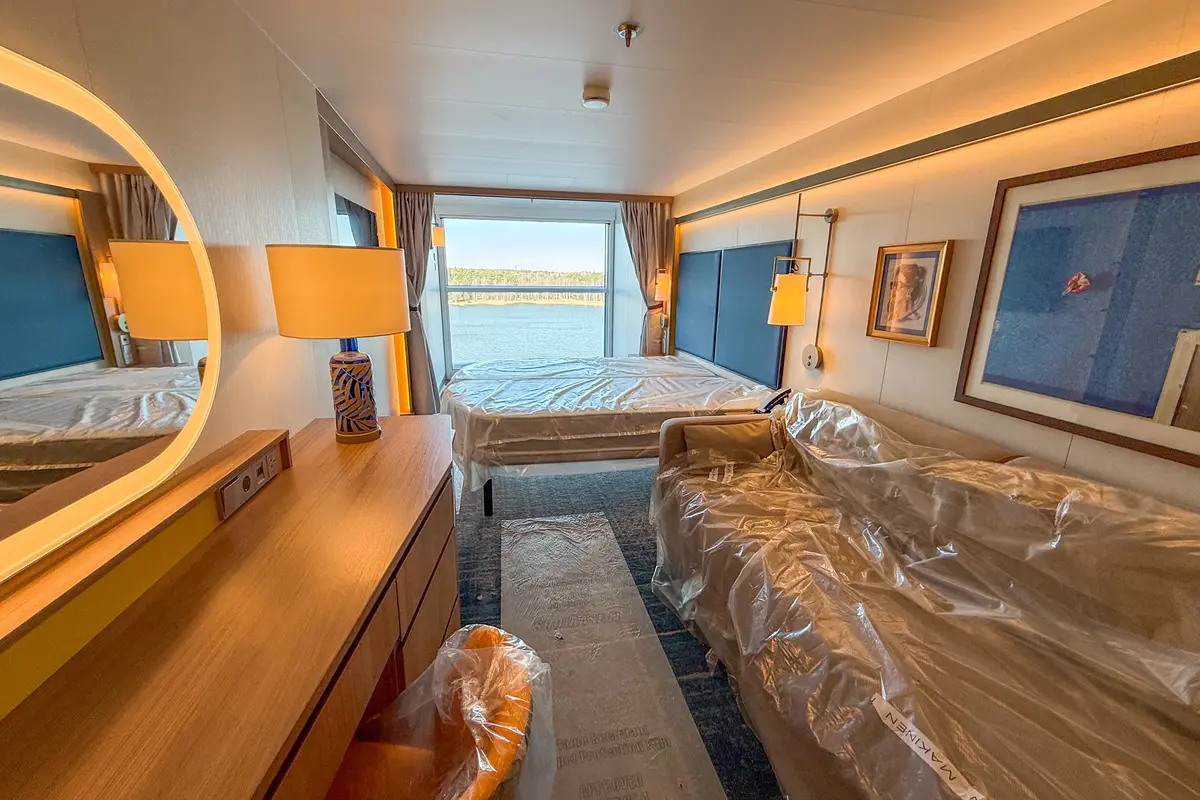
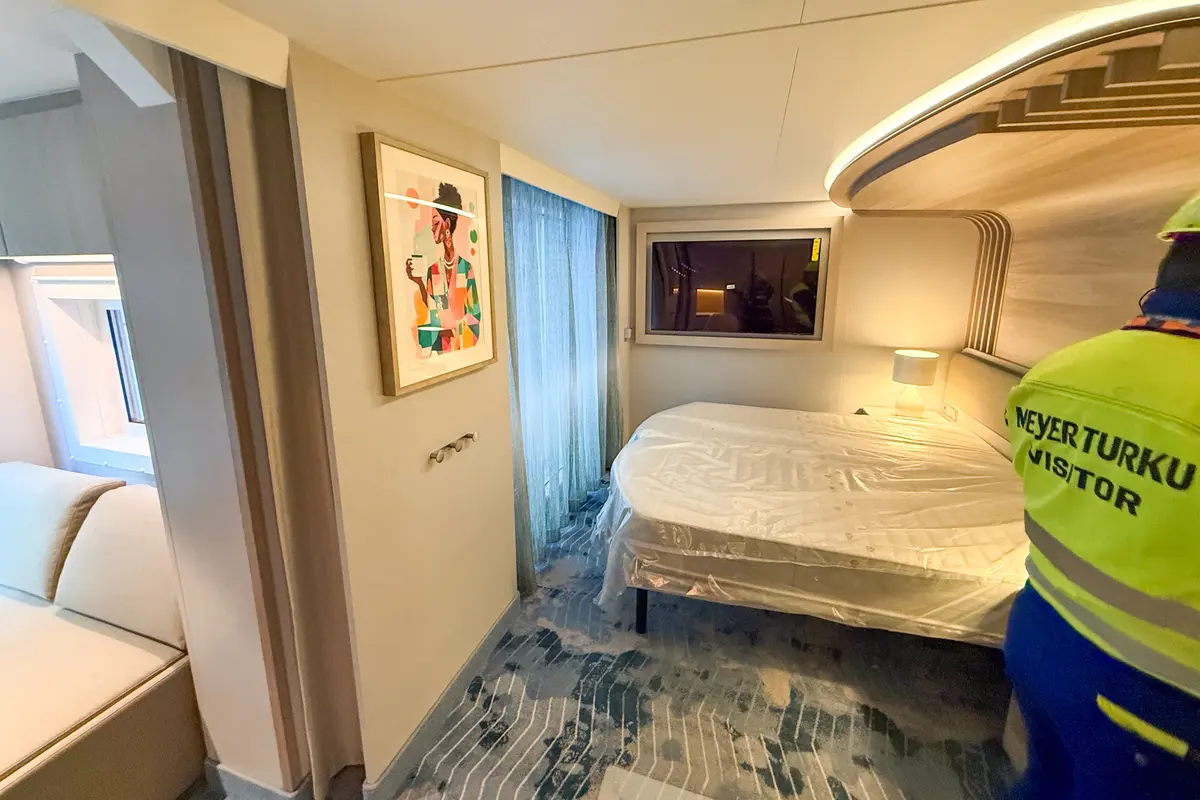
The vessel contains more than 2,800 staterooms across nearly 20 decks, effectively functioning as a compact city at sea.
The Icon Class is a fundamental evolution beyond Royal Caribbean’s Oasis Class — shifting from traditional ship layouts to “neighborhood-based design.”
On Legend of the Seas, guests move through eight distinct districts, each engineered as its own environment:
This zoning approach transforms the ship into a multi-destination resort, rather than a single continuous environment.
Unlike earlier Icon Class ships, Legend of the Seas incorporates direct design improvements based on guest feedback.
One of the most significant additions is:
This reflects a broader shift toward experience-driven cruising, where entertainment and dining merge into theatrical attractions.
Like its sister ships, Legend of the Seas pushes extremes across multiple categories:
The ship also integrates high-density entertainment infrastructure, including:
Beyond scale, Legend of the Seas reflects Royal Caribbean’s long-term environmental strategy.
LNG significantly reduces emissions compared to traditional marine fuels, though it remains a transitional solution within the cruise industry’s broader decarbonization efforts.
The ship’s development has followed an accelerated, high-precision timeline:
The project represents an estimated €2.3 billion investment, highlighting the enormous capital required to build next-generation cruise ships.
Legend of the Seas will make history as the first Icon Class ship deployed in Europe.
This dual deployment strategy maximizes both European premium demand and the high-volume Caribbean market.
Legend of the Seas is not just another ship launch — it represents a broader transformation in cruise tourism:
Cruise ships are evolving into self-contained resorts, reducing reliance on ports.
Immersive dining, themed environments, and entertainment ecosystems are becoming central.
Larger ships allow:
The Icon Class sets a new benchmark competitors must match or exceed.
As Legend of the Seas undergoes sea trials, it enters the final and most critical phase before launch — where engineering meets reality.
With its massive scale, advanced technology, and experience-driven design, the ship is poised to push the cruise industry even further into the realm of floating mega-resorts.
By the time it welcomes its first passengers in July 2026, Legend of the Seas won’t just be another cruise ship — it will be a defining symbol of where modern cruising is headed.