The redevelopment of the former Carambola Beach Resort will bring Club Med back to U.S. territory with 150 suites, premium all-inclusive service and a significant package of public incentives. The larger question is whether the project can preserve the character of Davis Bay while delivering the jobs, cultural integration and local economic benefits promised to St. Croix.
Steel-pan renditions of the United States and Virgin Islands anthems opened the ceremony. Then hotel executives, investors and public officials stepped onto the sand at Davis Bay and turned the first ceremonial shovels.
The July 15, 2026, groundbreaking marked the beginning of a new life for Carambola Beach Resort, one of St. Croix’s best-known coastal properties. When it reopens as Club Med St. Croix, currently expected in the fourth quarter of 2027, the resort will also mark Club Med’s return to U.S. territory after an absence of approximately five years.
But the development is more than another Caribbean hotel opening. It combines the restoration of an architecturally distinctive 1980s resort, the arrival of a major international all-inclusive brand, an investment of at least US$77 million and a 30-year package of economic-development incentives tied to employment, local residency and cultural-programming commitments.
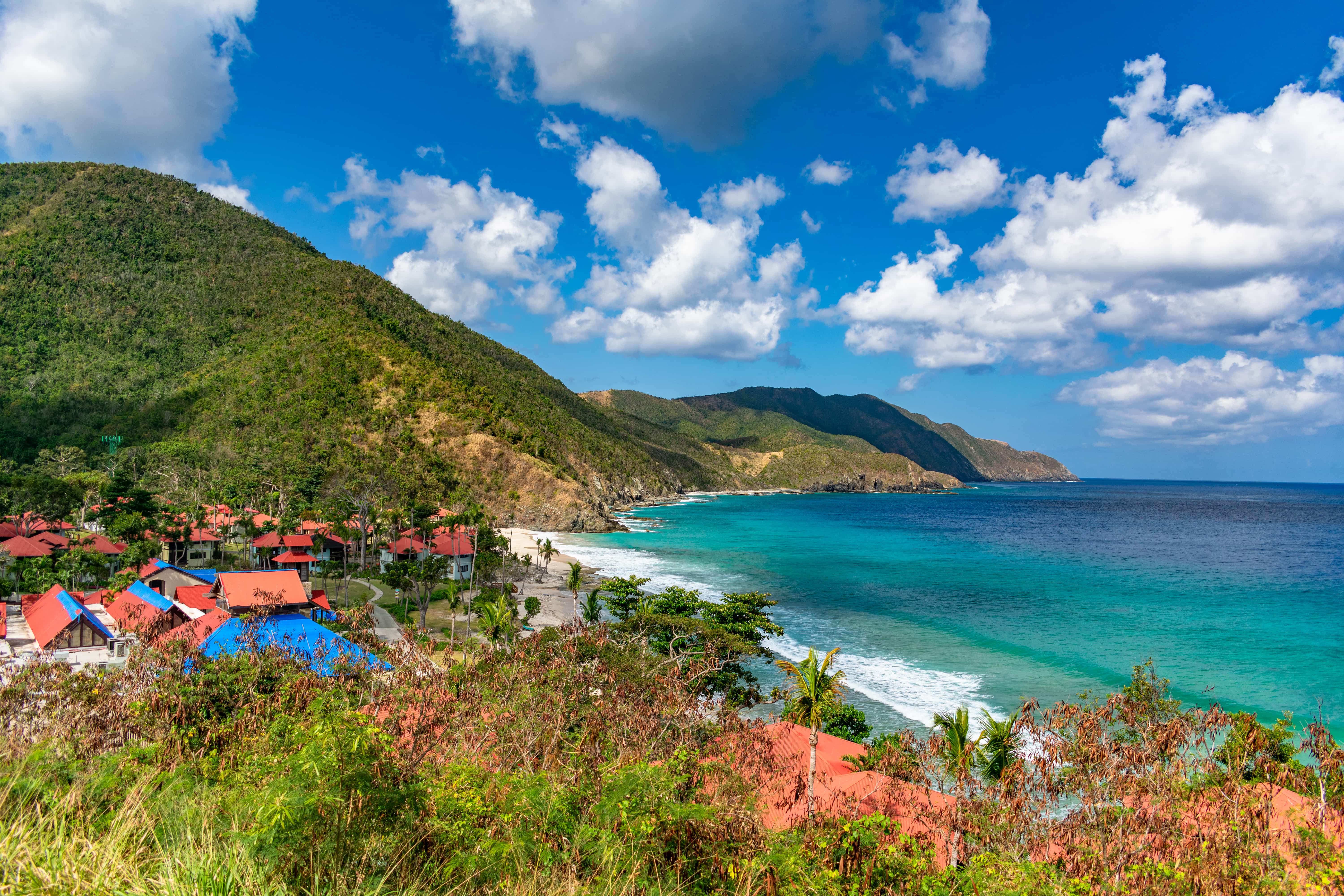
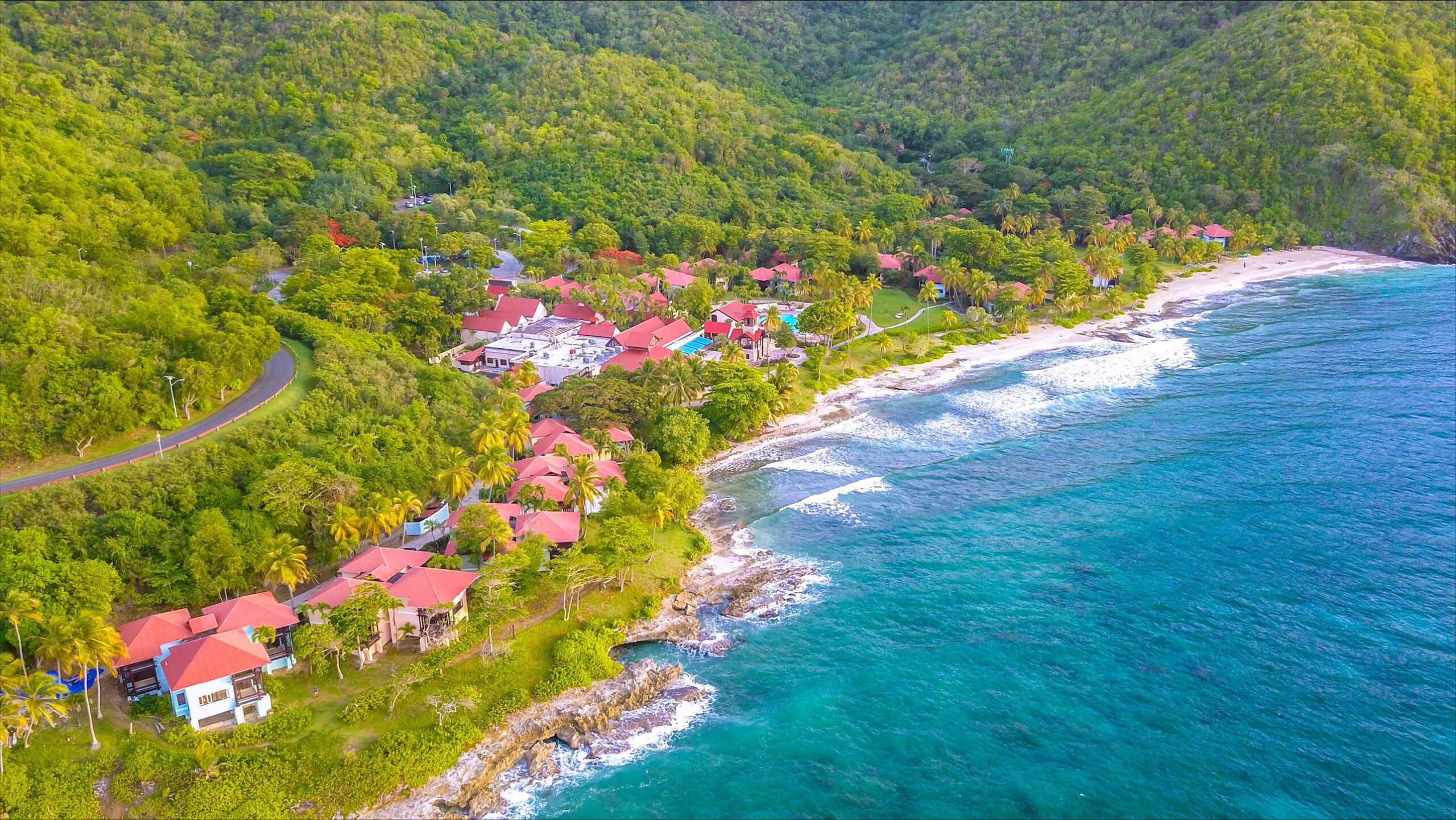
Club Med St. Croix is not being built on untouched beachfront. It is a comprehensive redevelopment of the former Carambola Beach Resort on the island’s northwest coast.
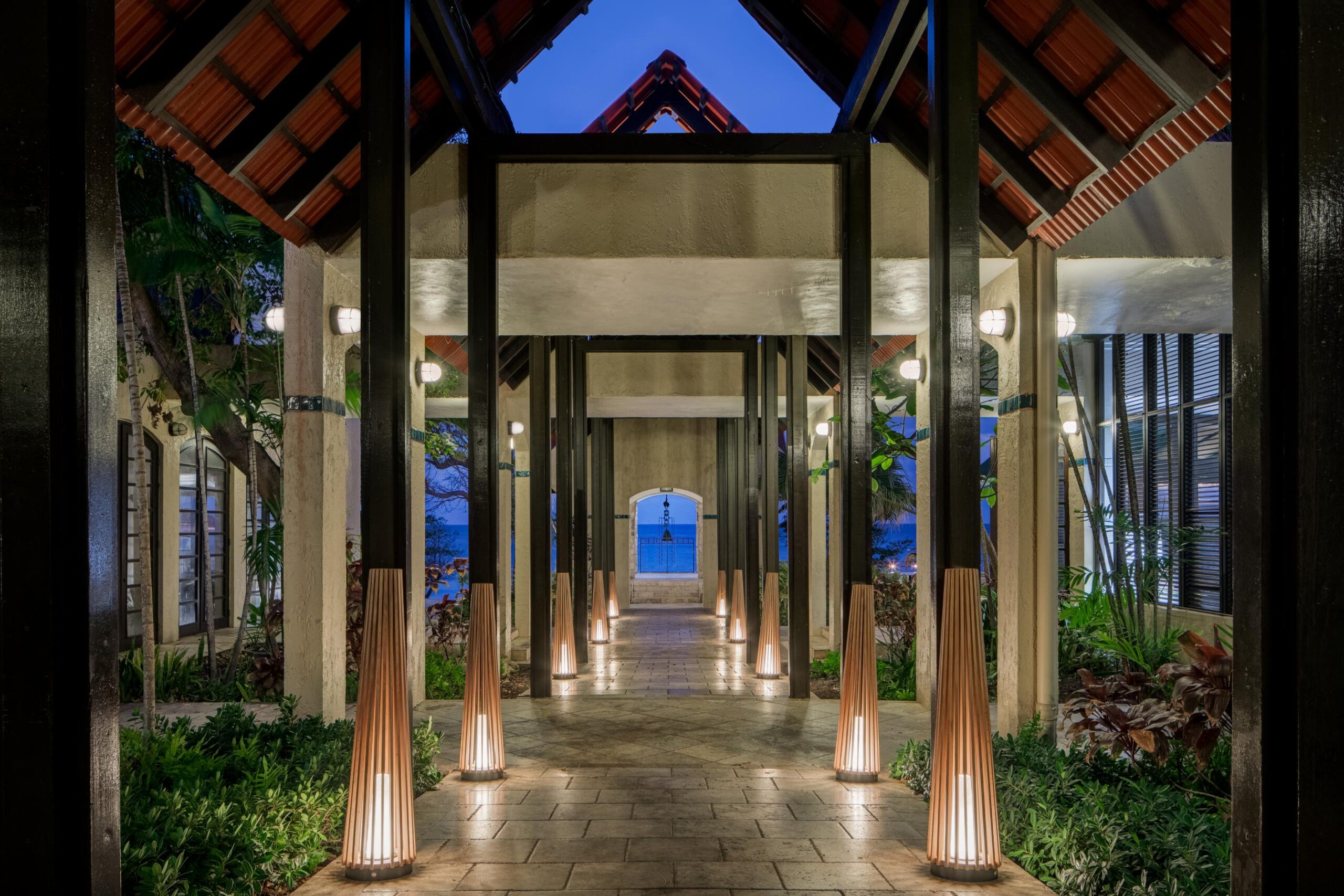
Originally developed in 1986 as part of the RockResorts portfolio, the property was shaped by the conservation philosophy associated with philanthropist Laurance Rockefeller. Its low-rise buildings, hardwood, native stone and steep shingled roofs were intended to sit within the Davis Bay landscape rather than dominate it. The resort occupies a setting between a crescent-shaped beach and the tropical vegetation rising behind it.
Club Med says the redevelopment will preserve the spirit and natural character of that original design while elevating the property to the standards of its Exclusive Collection, the company’s most refined resort category.
That distinction matters. Club Med St. Croix is being positioned above the company’s standard premium portfolio, with more personalized service, spacious accommodations, lower-density planning and a greater emphasis on design and destination-specific experiences. At the time of the groundbreaking announcement, Club Med described it as only the second Exclusive Collection property in North America.
The ownership structure is more complex than a traditional hotel acquisition.
VICI Properties, a real-estate investment trust best known for owning hospitality, gaming and entertainment properties, acquired the former Carambola resort. VICI then entered into a long-term triple-net lease with Club Med and agreed to finance the redevelopment. Club Med will operate the completed resort under its own brand but will not own the underlying real estate.
Under a triple-net lease, the hotel operator generally assumes responsibility for property expenses such as maintenance, insurance and applicable taxes, while the real-estate company retains ownership of the asset. For VICI, St. Croix adds a new type of leisure property to its portfolio. For Club Med, the arrangement provides a route back into the U.S. market without requiring the company to purchase the resort property itself.
Several figures have been used to describe the development, and they do not all measure the same thing.
VICI’s property information describes an approximately US$55-million renovation. Documents from the Virgin Islands Economic Development Authority provide a broader accounting: approximately US$21 million to purchase the real estate and improvements, plus another US$56 million for redevelopment, producing a total investment of at least US$77 million. The project’s economic-development application also commits the applicants to a minimum capital investment of US$62.8 million in the benefited business.
The safest journalistic description is therefore:
Club Med and VICI are advancing an approximately US$77-million acquisition and redevelopment, including about US$55 million to US$56 million in planned renovation work.
This avoids treating the acquisition cost, construction budget and minimum qualifying investment as though they were interchangeable.
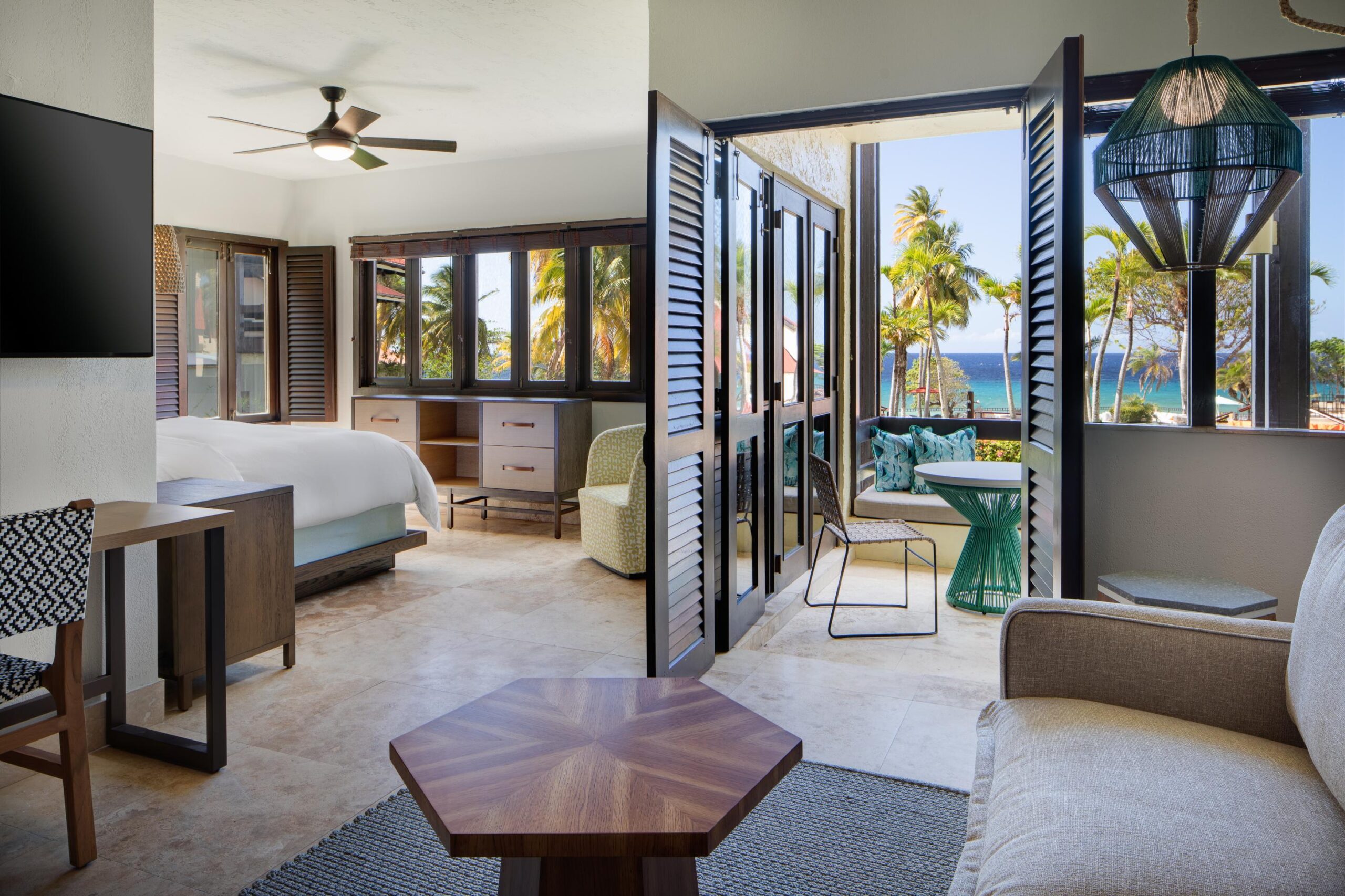
Club Med St. Croix is planned as a 150-key, all-suite resort with a low-density layout inspired by the island’s rainforest, coastline and natural landscape.
The property will be family-friendly, but not oriented toward young children. Club Med says it is being designed for guests 12 years of age and older, placing it between a conventional family resort and an adults-only retreat. That positioning could appeal to couples, families travelling with teenagers, active multigenerational groups, weddings and incentive programs.
Detailed suite categories have not yet been released. Club Med has not publicly confirmed the number of standard suites, premium suites, connecting accommodations or signature units, nor has it announced opening rates.
The company has said that the suites will combine contemporary technology with materials and design references drawn from St. Croix’s natural environment. Because this is a redevelopment of an existing 150-room resort, the final design will have to balance the original building configuration with Club Med’s current accommodation standards.
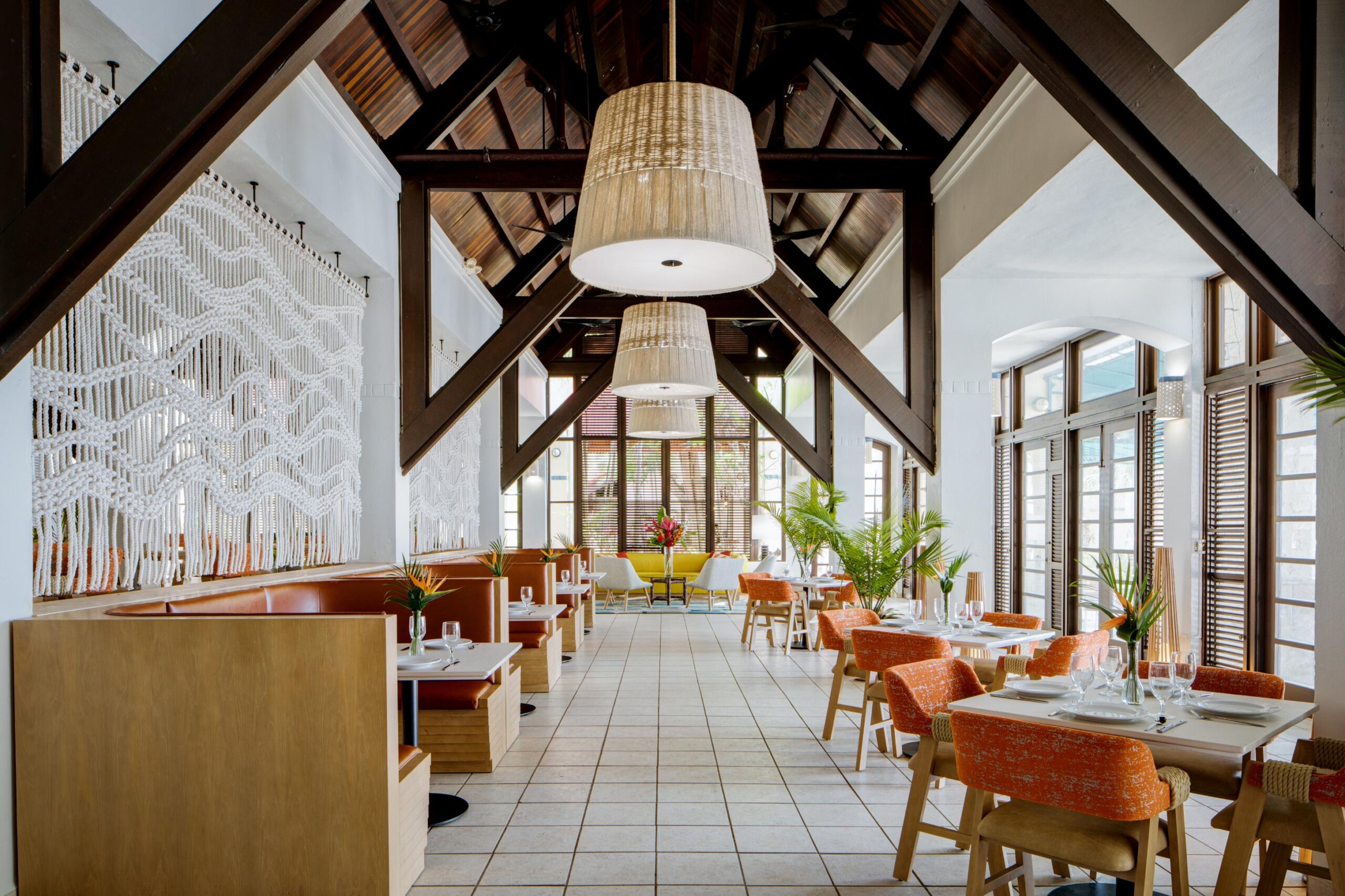
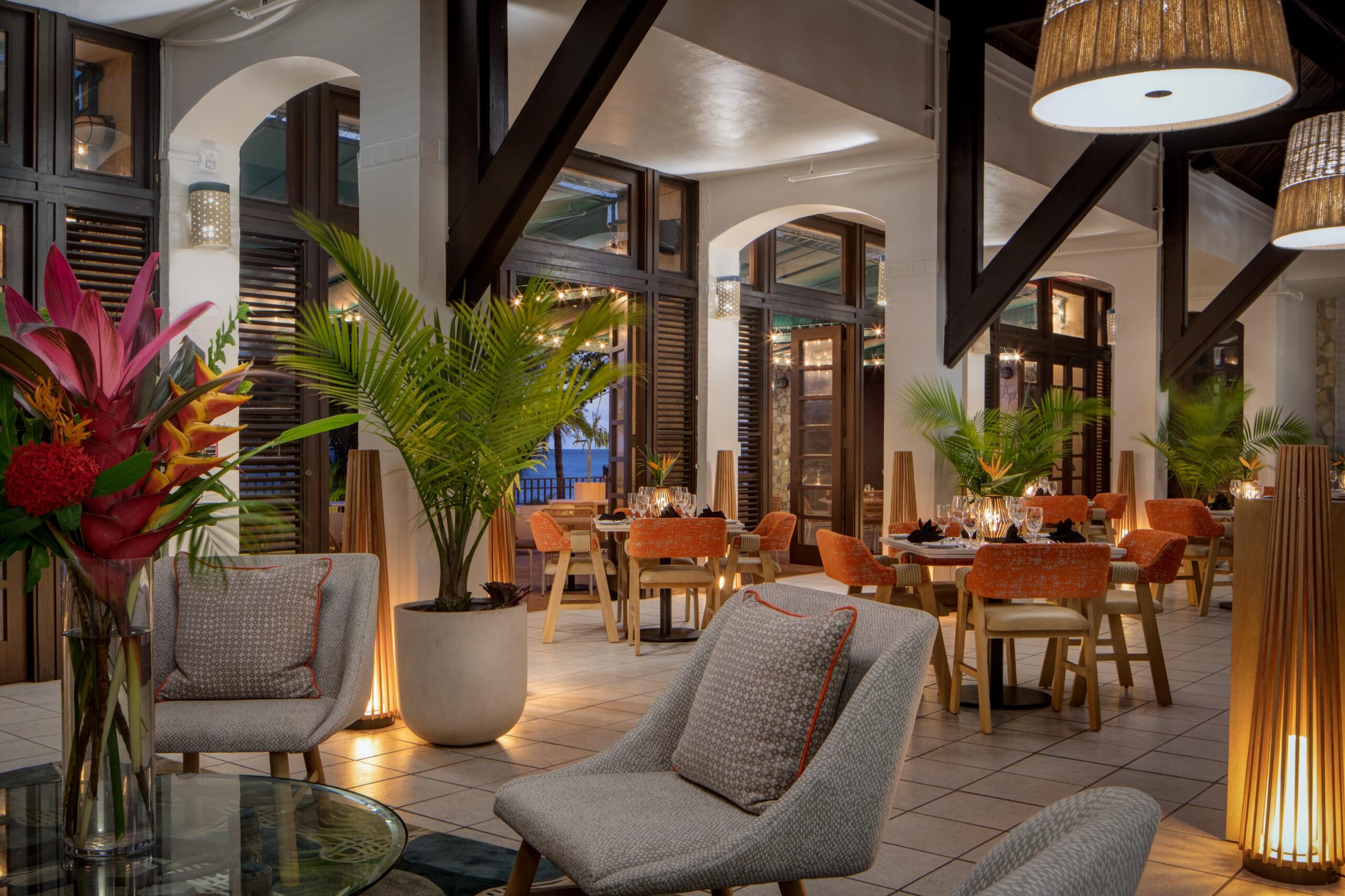
The resort’s culinary program is expected to include three principal dining concepts:
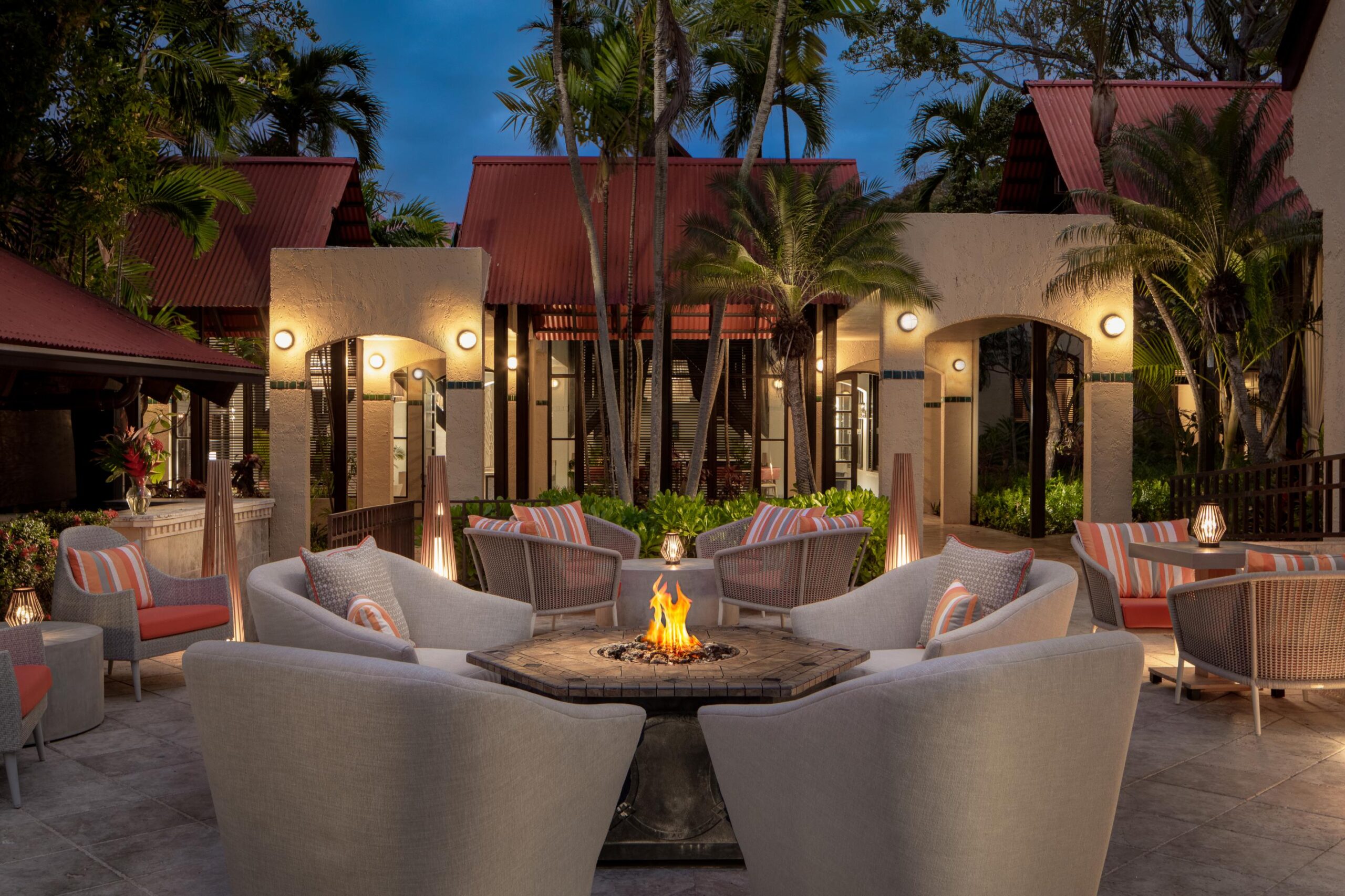
Four bars and lounges are also planned across the resort. Club Med says the food-and-beverage program will combine international cuisine with Caribbean influences, although individual restaurant names, menus and chef partnerships have not yet been announced.
The limited number of restaurants relative to some much larger Caribbean all-inclusive complexes reflects the resort’s more intimate, 150-suite scale. The success of the culinary program may depend less on the number of outlets than on how effectively the restaurants integrate Crucian products, recipes and culinary talent.
Club Med and local officials have said the development is expected to work with Virgin Islands farmers, artisans, excursion operators and service providers. Those relationships could give the resort a stronger sense of place while allowing more visitor spending to circulate through the local economy.
Planned amenities include a new infinity pool overlooking the Caribbean Sea and a full-service spa. Club Med has also identified pickleball, beach volleyball, yoga, non-motorized water sports and guided outdoor excursions as components of the guest experience.
This activity program is consistent with Club Med’s historical positioning. The company has long combined accommodation, meals and entertainment with organized sports and social activities. At St. Croix, however, the company is also promising experiences connected to the island’s culture and landscape rather than an entirely self-contained resort program.
No final list of excursions has been published. It remains to be seen how the resort will work with local operators and whether activities will include experiences related to St. Croix’s marine environment, food, agriculture, music, history and protected natural areas.
Club Med St. Croix will be the brand’s only operating resort in U.S. territory when it opens under the current plan.
The company’s previous U.S. property, Club Med Sandpiper Bay in Port St. Lucie, Florida, ceased operating under the Club Med flag in September 2022 after more than 40 years. The St. Croix project therefore represents both a geographic return and a significant repositioning—from a large sports-oriented Florida resort to a smaller, more upscale Caribbean property in the Exclusive Collection.
The U.S. Virgin Islands also offer a practical advantage for the domestic market: U.S. citizens travelling from the mainland United States or Puerto Rico do not require a passport. Non-U.S. citizens remain subject to the applicable requirements for entering U.S. territory.
Club Med and VICI project that the completed resort will create approximately 200 direct jobs, accompanied by at least as many indirect opportunities connected to suppliers, transportation, agriculture, excursions and other services.
The applicants have formally committed to employing 200 full-time workers, with that employment level expected to be reached by December 31, 2028.
Club Med has publicly said that approximately 80% of the direct jobs are expected eventually to be filled by local talent. The economic-development agreement, however, provides a more gradual and enforceable schedule:
That distinction is important. The frequently cited 80% local-employment figure is a longer-term target, not necessarily the required staffing composition on opening day.
The agreement also requires the resort to provide formal notice of employment opportunities to former Carambola employees within the first year after reopening.
In exchange for its investment and employment commitments, the project received approval for 100% of the incentives authorized under the Virgin Islands Economic Development Commission program for 30 years.
That should not be simplified into a claim that every part of the business will be entirely tax-free. The decision excludes certain revenues, including retail sales, concessions and rental activities not owned and operated by the beneficiary. The resort will also be required to collect the applicable hotel room tax.
The agreement attaches other obligations to the incentives. These include maintaining a hotel brand comparable in quality to Club Med St. Croix, observing resident-employment requirements, complying with territorial labour standards and incorporating cultural programming into the resort’s operations.
The approved cultural commitments encompass food, visual arts, music, entertainment, education, excursions and community engagement. These requirements give the territory a mechanism to evaluate whether the resort’s promised connection to St. Croix becomes part of daily operations rather than remaining only a marketing theme.
Club Med representatives have discussed working with local farmers, businesses and the University of the Virgin Islands to develop supply chains, apprenticeships and hospitality-career opportunities.
Detail Theory Studio, a St. Croix-based company, has also been identified as providing local design support to the project.
These relationships could become some of the development’s most consequential elements. A resort can create hundreds of jobs while still importing a large share of its food, materials, expertise and entertainment. The economic impact will be greater if the property purchases locally, gives residents paths into management positions and presents St. Croix’s culture through Crucian voices and businesses.
The project’s progress should therefore be measured not only by construction milestones and future occupancy rates, but also by supplier contracts, workforce training and the proportion of supervisory positions held by island residents.
Club Med says the redevelopment will protect the property’s historic roots and relationship with the surrounding landscape.
The original Carambola design was closely tied to Rockefeller’s approach to resort development: buildings should be integrated with nature, use local or natural materials where possible and avoid overwhelming the coastline. Club Med has referred to a low-density plan and architecture inspired by St. Croix’s rainforest and island environment.
Still, important architectural details have not been disclosed. The company has not publicly specified which buildings will be preserved, which will be substantially reconstructed or how much of the original material will remain.
Until detailed plans are released, the project is best described as a comprehensive redevelopment that intends to retain the spirit of Carambola—not as a strict historical restoration.
The development is targeting BREEAM and Green Globe certifications.
BREEAM is associated primarily with the design and environmental performance of buildings, while Green Globe evaluates sustainability practices within tourism operations. Club Med has used both frameworks at other properties.
At this stage, neither certification has been awarded to Club Med St. Croix. The accurate wording is that the project is pursuing or targeting certification.
The resort’s environmental performance will eventually depend on measurable decisions involving energy, water, waste, construction materials, coastal resilience, landscaping, food procurement and marine activities. Certification results and operating data will provide stronger evidence than the current development promises alone.
Club Med and VICI’s principal public target is the fourth quarter of 2027.
A local report following the groundbreaking referred to construction being completed and the resort becoming operational by the third quarter of 2027. No exact opening day, reservation launch or inaugural season has been announced. The safest publication language is therefore “expected to open in late 2027.”
As with any major Caribbean redevelopment, the schedule could be influenced by construction conditions, permitting, procurement, weather and the final certification process.
The return of a prominent international hotel brand gives St. Croix a significant new development story. Club Med St. Croix could restore an important beachfront property, expand the island’s accommodation inventory and introduce the territory to travellers who already know the company’s all-inclusive resorts elsewhere in the Caribbean.
Yet the project’s most important results will not be visible in a rendering.
They will be found in the number of Virgin Islanders hired and promoted, the contracts awarded to local businesses, the treatment of the Davis Bay landscape and the degree to which Crucian culture is represented by the people who live it.
The groundbreaking began the construction story. The more meaningful test will begin when the first guests arrive.