Royalton Vessence Cancun: New All-Inclusive Resort Opening in 2027
The Million Dollar Blog, 2027, Autograph Collection Cancun, Cancun all inclusive resort, luxury all inclusive Cancun, new Cancun resorts 2027, new hotels Cancun, New resort, New Resort 2027, Resort opening, Royalton Cancun 2027, Royalton Vessence Cancun, Royalton Vessence Cancun adults only, Royalton Vessence Cancun airport transfer, Royalton Vessence Cancun Coco Bongo, Royalton Vessence Cancun opening, Royalton Vessence Cancun opening date, Royalton Vessence Cancun price, Royalton Vessence Cancun restaurants, Royalton Vessence Cancun reviews, Royalton Vessence Cancun rooms, Royalton Vessence Mexico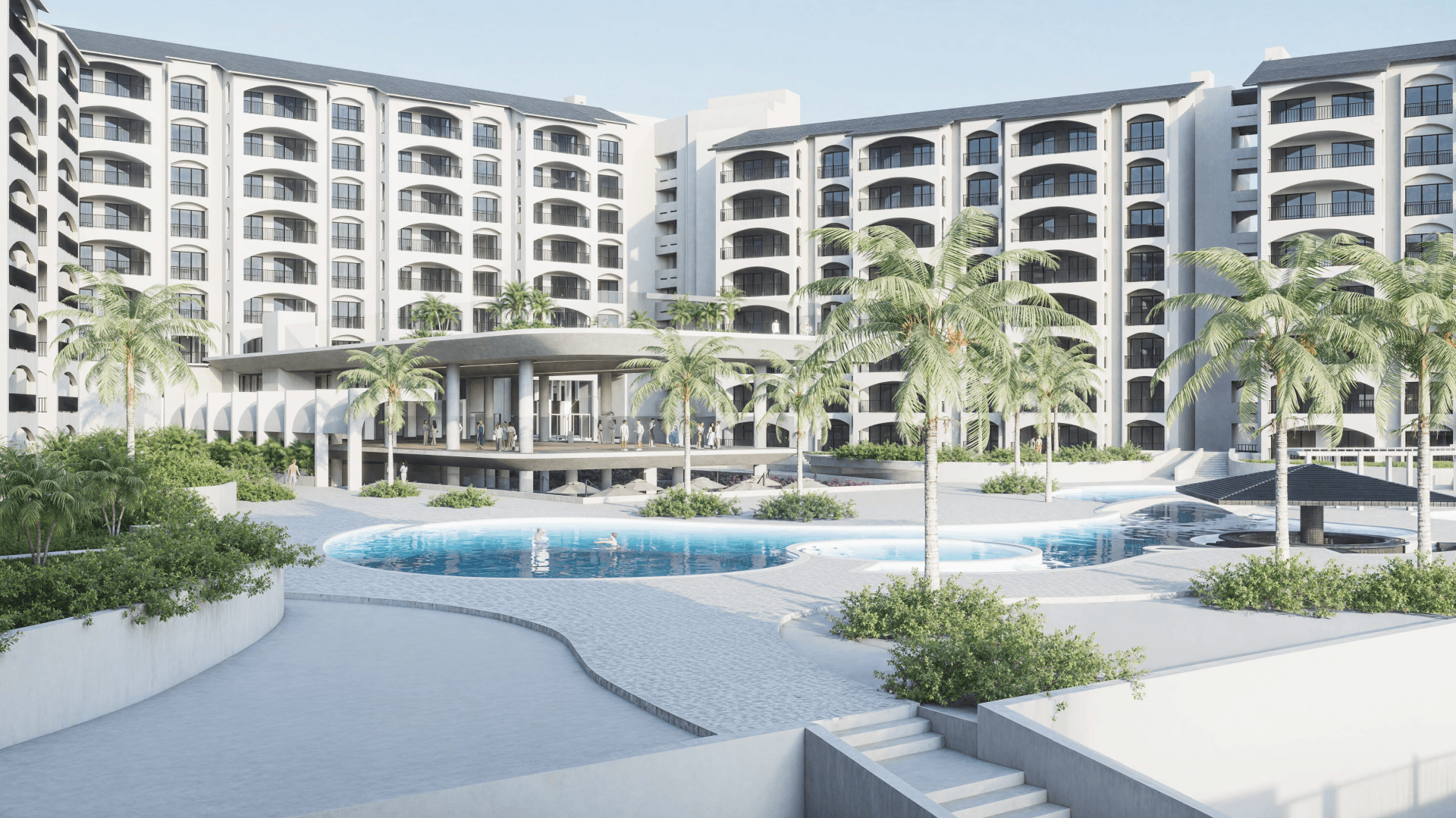
Key Insights
Royalton Vessence Cancun at a glance
- Opening date: March 1,1 2027
- Location: Cancun Hotel Zone, approximately Km 17.5 of Boulevard Kukulcán
- Concept: Adult-oriented, upscale all-inclusive
- Accommodations: 376 suites
- Restaurants: Seven announced for opening
- Bars: Five announced
- Beach: Direct Caribbean beachfront
- Pools: Oceanfront pools plus an oceanfront rooftop pool
- Special rooms: Swim-out suites and new Multi Bed Suites
- Premium category: Diamond Club™ available
- Spa: The Royal Spa
- Fitness: Moddo Fitness by Royalton FIT
- Activities: Art, painting, pottery, cooking workshops, tastings, live music and wellness programming
- Room service: 24 hours
- Wi-Fi: Complimentary high-speed Wi-Fi
- Airport: Cancun International Airport (CUN)
- Transfer time: Approximately 20–25 minutes
- Airport transportation: Available for advance reservation
- Marriott affiliation: Autograph Collection All-Inclusive
Royalton Vessence Cancun: Inside Cancun’s New Art-Focused All-Inclusive Resort Opening March 1, 2027
Cancun is getting another major luxury all-inclusive resort, but Royalton Vessence Cancun isn’t trying to be another mega-resort filled with water slides, foam parties and nonstop activity. Instead, Royalton’s newest Mexican property is being designed around art, gastronomy, wellness, spacious accommodations and a more mindful interpretation of the all-inclusive vacation.
Reservations are now officially open for Royalton Vessence Cancun, An Autograph Collection All-Inclusive Resort, with the first guests scheduled to arrive on March 1, 2027. The 376-suite beachfront property will occupy a prime location in Cancun’s Hotel Zone and introduce Royalton’s relatively new Vessence concept to Mexico following the launch of Royalton Vessence Barbados.
For travelers already considering Cancun in 2027, here’s everything currently known about the resort—from rooms and restaurants to airport transportation, nearby nightlife, beaches, Maya ruins and the features that could make Vessence significantly different from other Royalton resorts.
Royalton’s latest August 2026 announcement confirms the March 1 opening date, 376 suites, seven restaurants, five bars, rooftop pool, spa, fitness centre, watersports and new Multi Bed Suite concept.
What exactly is Royalton Vessence?
Royalton Vessence isn’t simply a new hotel name. It is a newer resort concept within the Royalton Hotels & Resorts portfolio.
The word Vessence takes inspiration from the Latin concepts Veritas and Essentia—truth and essence. Royalton describes the idea as encouraging travelers to experience more of the personality and culture of the destination rather than spending their entire vacation moving between a buffet, beach chair and swimming pool.
That translates into an unusual mix of digital-detox spaces, art classes, culinary workshops, wine and spirit tastings, late-night swimming, local cultural influences and wellness experiences.
It is still a luxury beachfront all-inclusive—you will certainly find cocktails, pools and plenty of food—but the atmosphere appears deliberately calmer and more experience-focused than Royalton CHIC’s party-oriented positioning.
Royalton summarizes the idea around slowing down, reconnecting and experiencing the destination through art, design, food and sensory experiences.
Adult-oriented does not necessarily mean adults-only
There’s an important distinction here.
Royalton currently describes Vessence Cancun as “Adult-Oriented”, rather than consistently calling it an adults-only resort. When the Cancun property was first announced, Royalton specifically said the concept could suit families with older teens, groups of friends and couples, in addition to adult travelers.
That positioning also makes sense when you when look at the new Multi Bed Suites, connecting accommodations and rooms sleeping as many as four guests.
Travelers booking with teenagers or younger guests should nevertheless verify the resort’s final age policy before purchasing non-refundable travel, since detailed opening policies may continue to evolve before March 2027.
A surprisingly convenient location in Cancun’s Hotel Zone
One of Vessence Cancun’s biggest strengths could be its location.
The resort is on the Caribbean side of Cancun’s famous Hotel Zone around Boulevard Kukulcán Km 17.5, near several of the southern Hotel Zone’s major attractions.
Royalton’s newest opening announcement describes the resort as approximately 20 minutes from Cancun International Airport, while the property’s main website currently says approximately 25 minutes. Realistically, travelers should plan on around **20–30 minutes depending on traffic and airport.
That is considerably more convenient than resorts farther south in the Riviera Maya, where airport transfers can easily become a much larger part of arrival and departure day.
Does Royalton Vessence Cancun offer an airport shuttle?
Yes—but don’t automatically assume that transportation is included in every room rate.
Royalton has a dedicated Tours & Transfers page for Vessence Cancun where guests can arrange round-trip airport transportation. Options include private vehicles, limousines, shared buses and vans, with preferential pricing when booked through Royalton’s transportation pararch0
Royalton sometimes runs promotions that include complimentary airport transportation, so check the inclusions attached to your specific reservation. The safest assumption is that a standard reservation and an airport transfer are separatese unless your booking confirmation specifically says otherwise.
For a new resort opening, I would also strongly recommend arranging transportation before arrival rather than negotiating transportation after exiting Cancun International Airport.
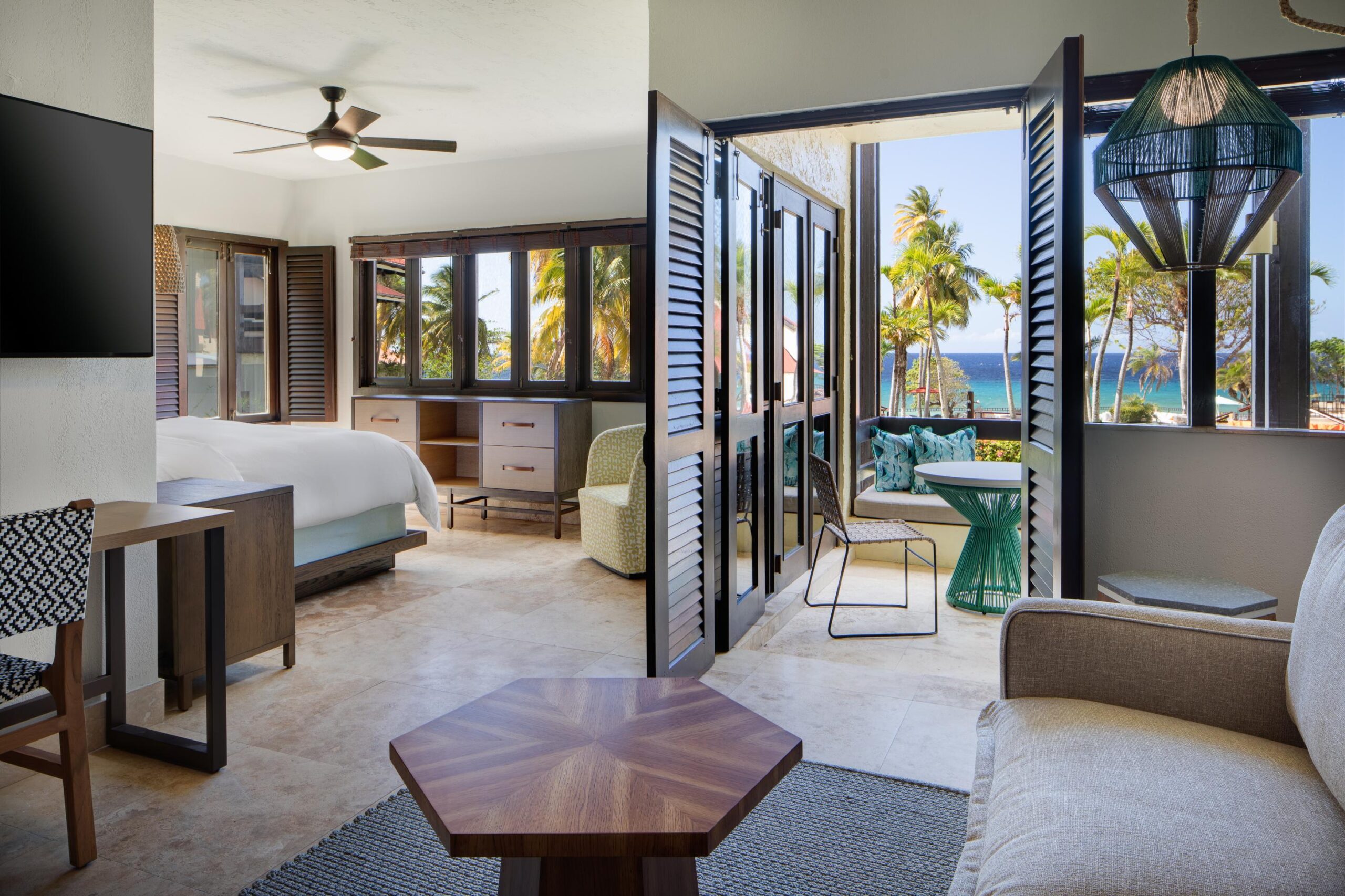
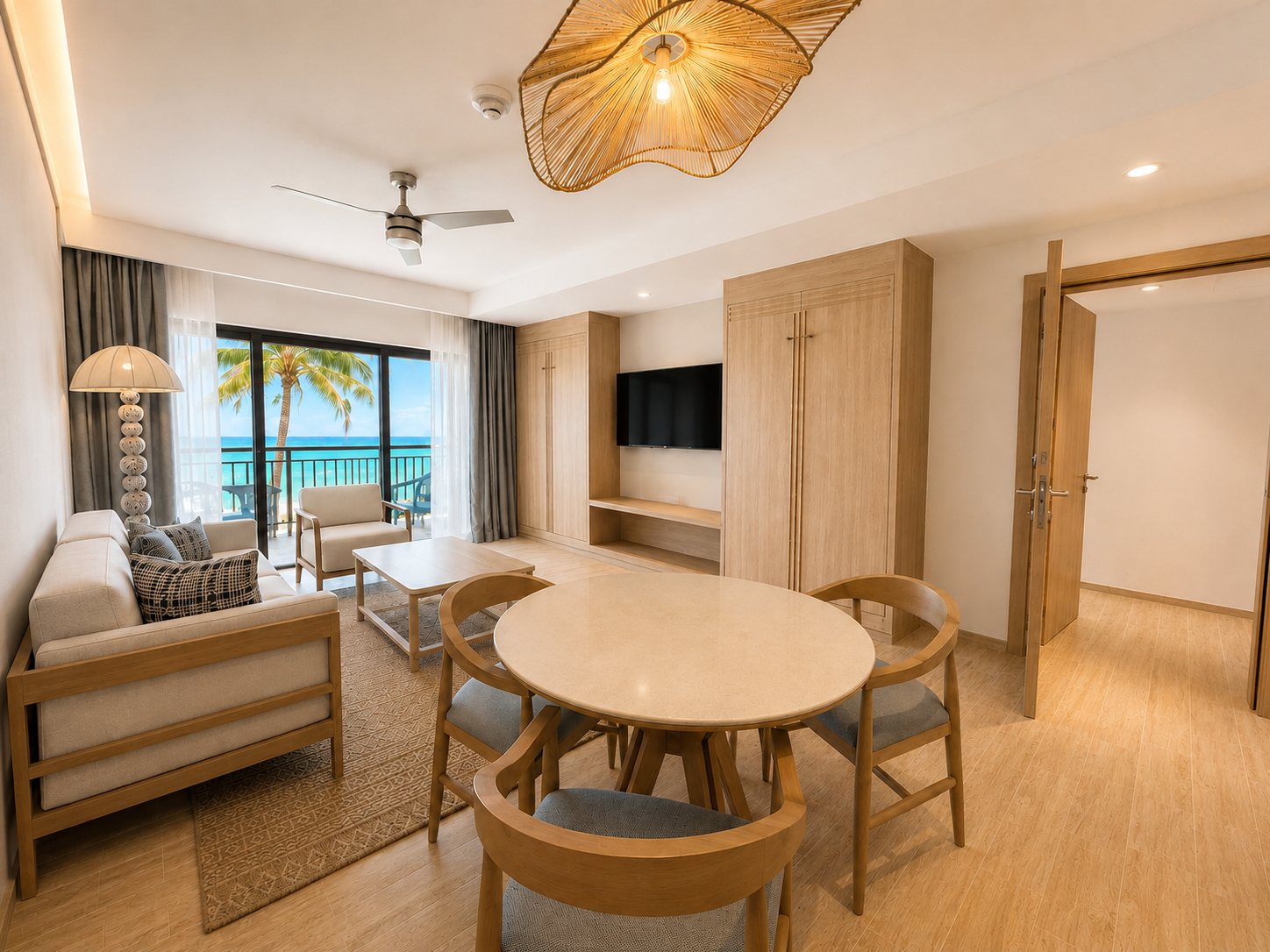
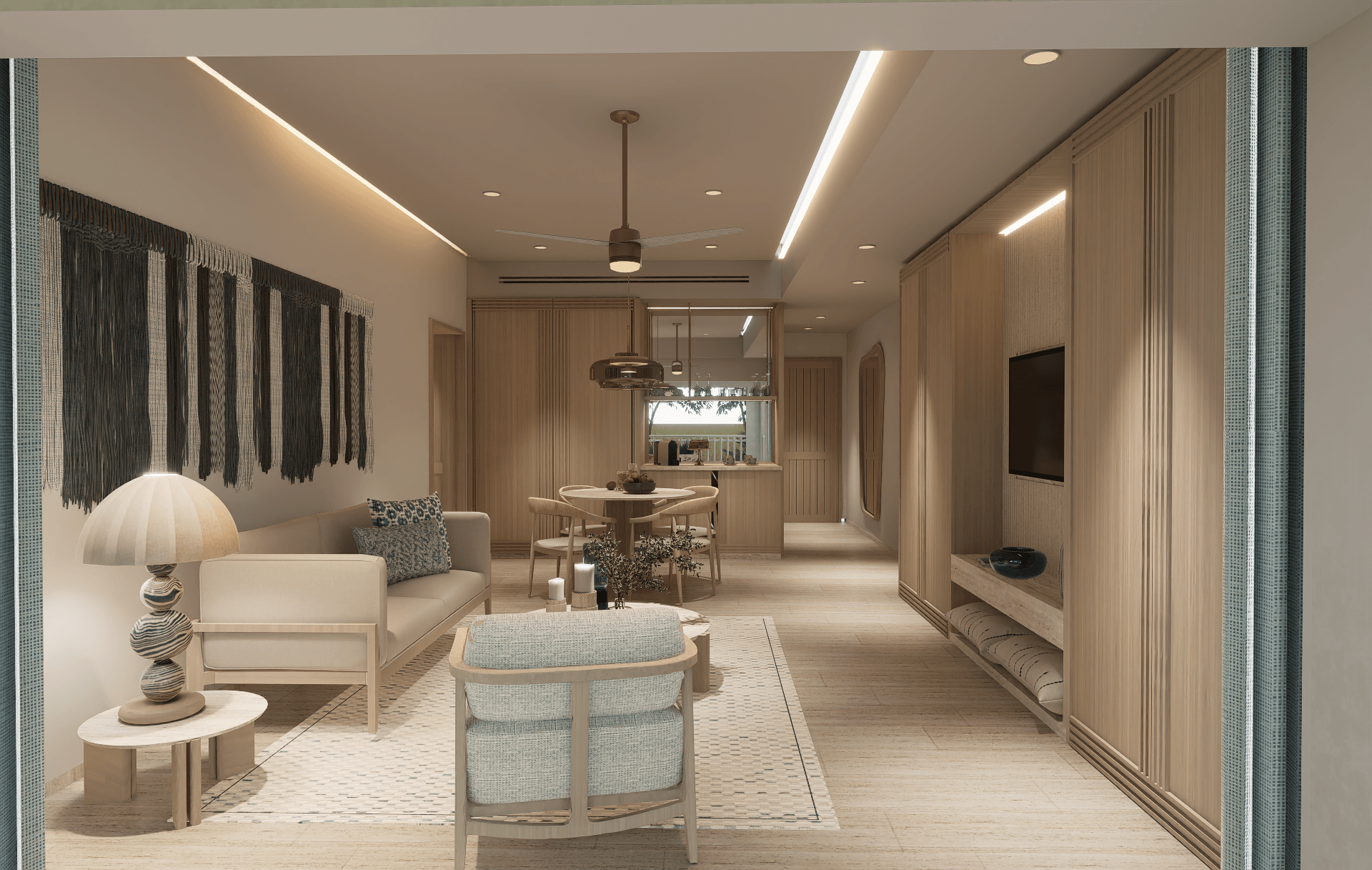
The rooms: 376 suites with an interesting new idea
Royalton Vessence Cancun will have 376 suites, and the accommodations may actually be one of the resort’s most important innovations.
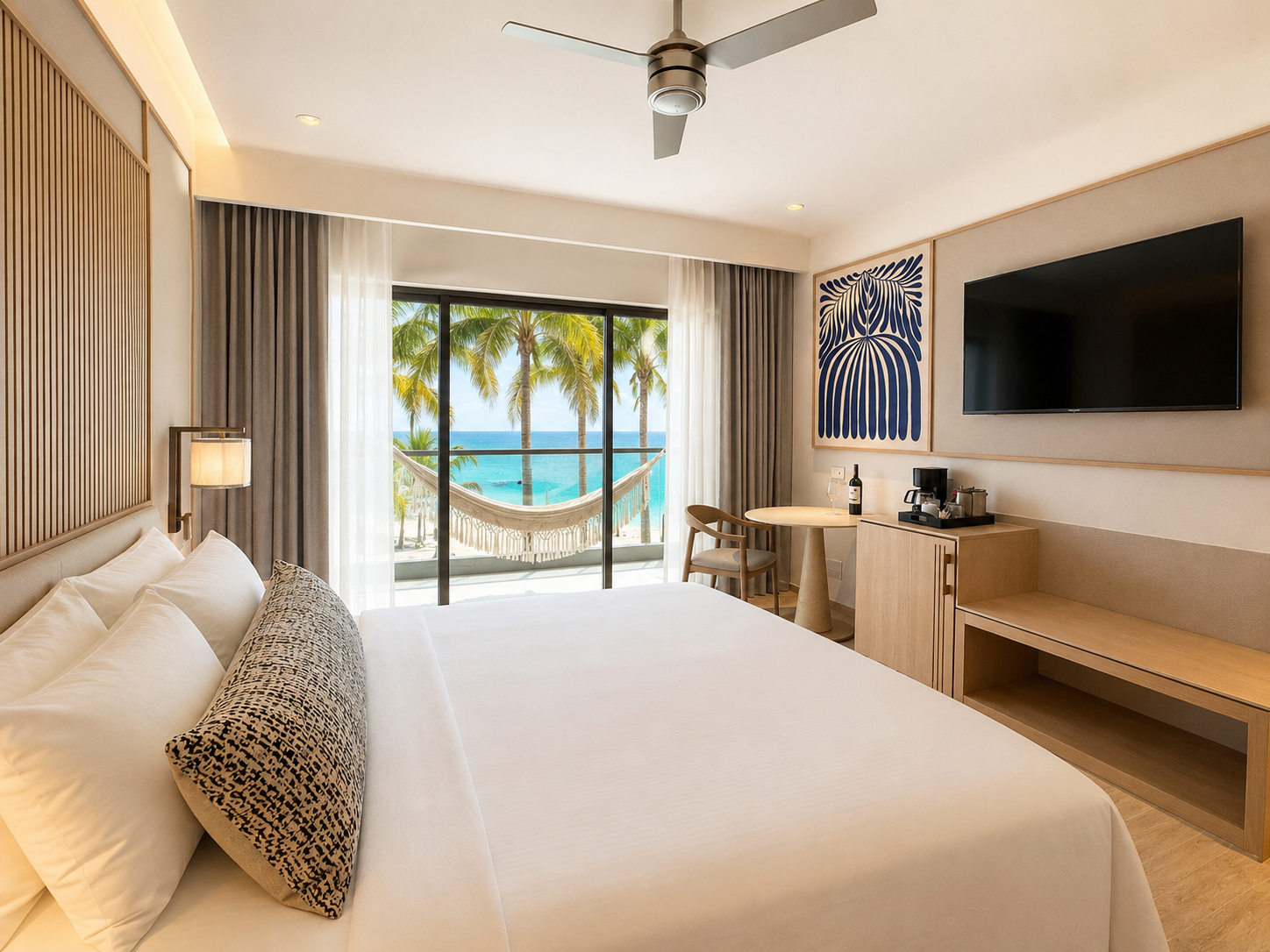
Every suite is expected to include Royalton’s signature DreamBed™, a balcony or terrace, high-speed Wi-Fi, rain shower, Smart TV, USB-C charging ports, individual climate control, ceiling fan, coffee maker, maker electronic safe and other contemporary amenities. Royalton also lists in-suite aromatherapy, an in-room spa component, 24-hour room service and a locally produced.
Current categories include:
Luxury Room
The entry-level accommodation combines a sitting area with a balcony or terrace and Royalton DreamBed. Maximum occupancy is listed as four adults.
Luxury Junior Suite
Guests wanting additional space can move up to a Luxury Junior Suite, including options with Ocean View or direct Swim Out access.
Swim-out rooms will probably be among the resort’s most desirable accommodations, particularly for couples who want pool access without relying on the main pool areas.
The Junior Suites can also accommodate up to four adults depending on configuration.
Luxury Presidential Suite
The Luxury Presidential Suite adds a separate bedroom and larger living space, including a living room, dining area and bar.
Ocean View and Swim Out versions are expected.
These larger suites can also sleep as many as four adults.
Luxury Presidential Two Bedroom Suite
For groups or families needing more privacy, Royalton is also planning a Two Bedroom Presidential Suite, combining two bedrooms with shared living areas.
Selected Presidential accommodations make particularly interesting use of Murphy beds, allowing sleeping areas to disappear and become more functional lounge space during the day.
That flexibility leads into one of Vessence Cancun’s most unusual new room concepts.
What are Royalton’s new Multi Bed Suites?
The Multi Bed Suite concept appears to have been designed for the way groups increasingly travel to all-inclusive resorts.
Instead of filling the room with conventional permanent beds, Royalton uses two full-size DreamBed mattresses integrated into a Murphy-bed-style system.
During the day, the sleeping area can transform into additional living space.
At night, the beds can be lowered again.
Combined with connecting accommodations, the system gives groups of friends, multigenerational families and travelers sharing rooms considerably more flexibility than a traditional two-queen-bed hotel layout.
Royalton’s August 2026 announcement also says guests staying in these accommodations will receive personalized butler service.
For a resort marketed partly toward groups of friends and travelers celebrating together, this could become one of Vessence Cancun’s strongest differentiators.
Diamond Club brings the familiar Royalton upgrade
Guests familiar with Royalton already know the name Diamond Club™.
Vessence Cancun will continue the concept.
Diamond Club accommodations are expected to add benefits such as:
Personalized butler service
Priority restaurant reservations
Personalized check-in and check-out
Preferred room locations
Upgraded room service selections
Upgraded minibar and liquor selections
Pillow menu
Upgraded bathrobes and slippers
Access to a private Diamond Club lounge
Exclusive pool areas
Preferential spa pricing
Whether Diamond Club is worth the additional cost will depend largely on the price difference when you book.
At a new luxury resort, however, the dedicated spaces, preferential service and restaurant assistance may be particularly attractive during busy periods.
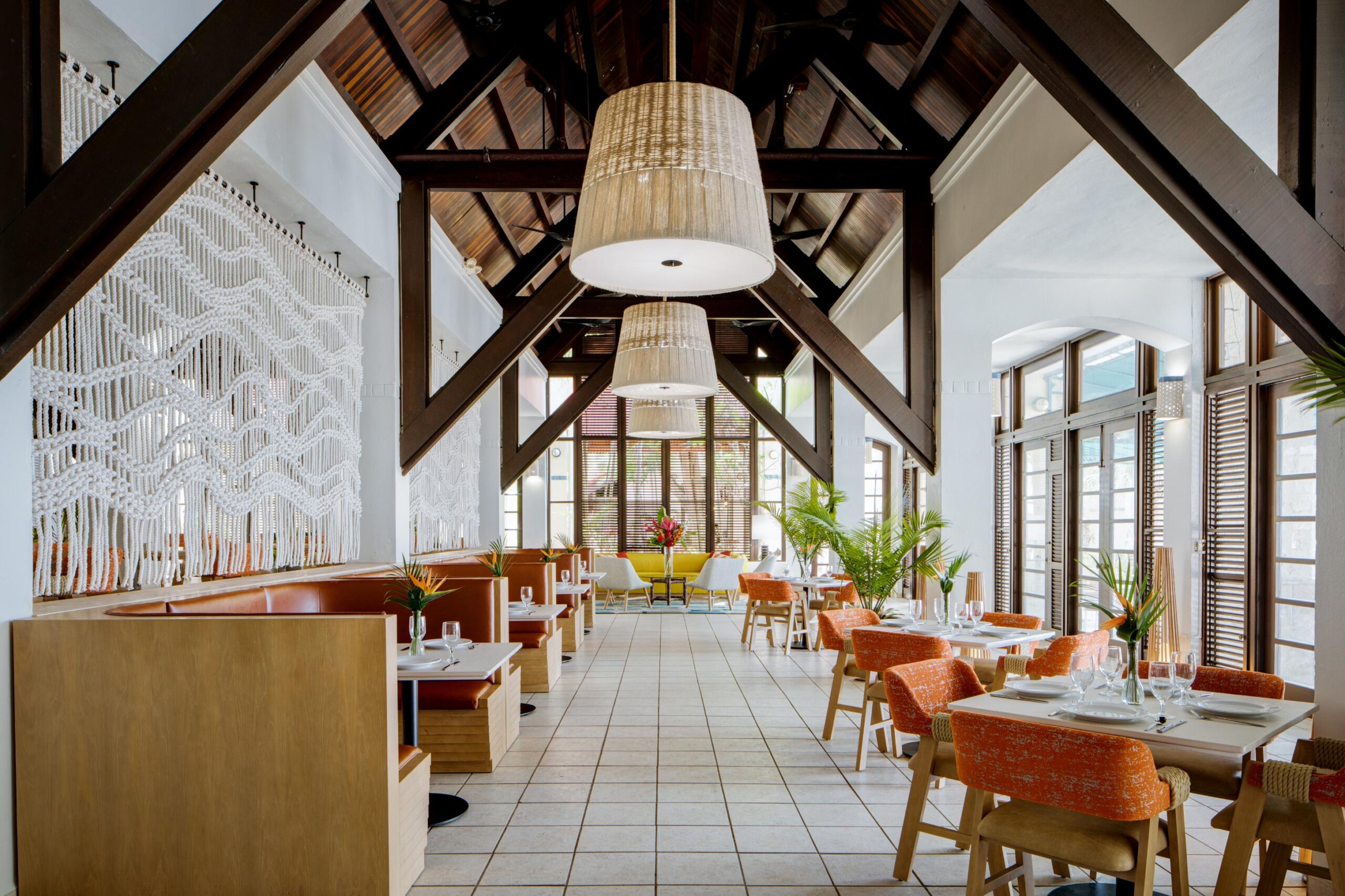
Seven restaurants are planned
Food appears to be an important part of Vessence’s identity.
Royalton says the resort will open with seven restaurants.
Six named concepts have already been presented prominently in resort materials.
Essenza
Essenza will serve international cuisine and appears likely to function as one of the resort’s principal dining venues.
Rather than positioning the restaurant purely as a traditional all-inclusive buffet experience, Vessence is emphasizing atmosphere and culinary presentation.
La Scala Italian Trattoria
La Scala brings Italian cooking to the resort with a trattoria-inspired concept.
Expect familiar Italian dishes presented within a more upscale sit-down environment.
Hunter Steakhouse
Royalton regulars will recognize Hunter Steakhouse.
The brand’s steakhouse concept focuses on grilled meats and classic steakhouse dishes and has become a staple at many Royalton properties.
Kai Asian Cuisine
Kai will focus on Asian-inspired dishes, expanding the resort’s à-la-carte selection beyond European and North American options.
Catrinas Mexican Cuisine
A Cancun resort should have a strong Mexican restaurant, and Catrinas is expected to fill that role.
The restaurant gives Vessence an opportunity to connect the resort’s culinary offering with Mexican ingredients, flavors and traditions.
Room 21
Room 21 is expected to provide a more casual alternative, including options suited to later-night dining.
And when guests simply don’t want to leave their suite, Royalton says 24-hour room service will be available.
The August announcement refers to seven restaurants in total, meaning additional details or concepts may still be revealed as the opening approaches.
Five bars—including a rooftop overlooking the Caribbean
Royalton has announced five bars for the property.
Among the concepts already identified are:
Evo Lobby Bar
The main lobby bar will provide drinks and a social space near the centre of the resort.
Nabu Swim-Up Bar
Nabu will serve guests directly from the pool, preserving at least one classic all-inclusive tradition at this otherwise more subdued resort.
Tasting Lounge
This may prove much more interesting.
Vessence’s Tasting Lounge is designed around wine, spirits, cocktails and small plates.
That fits naturally with the resort’s focus on gastronomy and experiential programming rather than simply offering another conventional sports or lobby bar.
The Rooftop
Then there’s the rooftop.
The resort plans an oceanfront rooftop pool and bar area with panoramic Caribbean views.
During the day, it should provide another place to swim and relax.
As evening approaches, the same space is expected to transition toward social programming, cocktails, music and nighttime events.
For an adult-oriented resort, this could become one of Vessence Cancun’s defining spaces.
Art isn’t just decoration here
One thing genuinely separates Vessence from most Cancun all-inclusives: guests are supposed to make art, not simply look at it hanging on the walls.
A key component is a creative space called The Studio.
During the day, the open-air Studio is intended for activities such as:
Painting
Pottery
Culinary workshops
Hands-on creative sessions
Cultural activities
As evening arrives, the space can shift toward live music and social programming.
The resort is also planning cooking classes, tastings and experiences inspired by Mexican culture.
That’s important because many resorts advertise themselves as being inspired by their destination while providing very little meaningful interaction with it.
Vessence appears to be trying to build those interactions directly into its daily programming.
How authentic and substantial those activities ultimately feel will only become clear after opening.
But on paper, the concept is promising.
Wellness goes beyond a normal hotel gym
The wellness side follows the same philosophy.
Instead of treating fitness as a room filled with treadmills, Royalton is introducing Moddo Fitness by Royalton FIT.
Programming is expected to include activities such as:
Yoga
Tai chi
Expressive movement
Guided fitness sessions
Traditional gym workouts
The fitness centre will still include conventional exercise equipment, but the emphasis seems broader than simply working out.
Then there’s The Royal Spa.
Treatment options are expected to include Swedish massage, deep-tissue massage, sports massage, hot-stone massage, aromatic treatments, reflexology, couples treatments and BABOR-based rituals.
For travelers choosing Vessence specifically because of its wellness positioning, the spa and Moddo program may be considerably more important than the resort’s nightlife.
Pools, beach and watersports
Vessence Cancun will sit directly on the Caribbean Sea with access to one of Cancun’s famous white-sand beaches.
The resort plans multiple oceanfront pool areas, alongside the rooftop pool.
Certain suites will also have direct swim-out access.
Cabanas and relaxation spaces are expected around the main pool and beach zones.
Guests looking for more activity will have access to non-motorized watersports, adding another option without transforming the resort into a high-energy family waterpark.
That distinction seems deliberate.
Vessence isn’t eliminating activities.
It’s simply positioning them within a calmer resort experience.
How much will Royalton Vessence Cancun cost?
Prices vary significantly according to dates, room category, Diamond Club status and promotions.
As one example from reservations available during our original research, a June 6–13, 2027 stay for two adults showed a resort-only price of approximately US$3,064 for seven nights, or roughly US$438 per room per night.
That was only a snapshot.
Opening-year pricing can change dramatically, and airfare, transfers, premium room categories and packages can completely alter the final vacation cost.
It is therefore more useful to treat that price as an indication of positioning rather than a permanent nightly rate.
Vessence appears to be targeting the upscale all-inclusive segment, rather than trying to compete primarily on price.
Is Royalton Vessence Cancun a Marriott hotel?
Yes—but with an important nuance.
The property’s full name is Royalton Vessence Cancun, An Autograph Collection All-Inclusive Resort.
Autograph Collection is Marriott International’s portfolio of distinctive independent-style hotels.
Rather than requiring every hotel to look and feel identical, Autograph Collection properties are generally intended to maintain their own identity.
Royalton operates the resort, while the Autograph Collection affiliation connects it with Marriott’s broader ecosystem.
For travelers who already use Marriott frequently, that affiliation may make Vessence considerably more interesting than an independent Cancun resort.
However, travelers should verify the exact Marriott Bonvoy earning, redemption and elite-benefit conditions attached to their booking, particularly with all-inclusive properties where program rules can differ from traditional city hotels.
What can you do near Royalton Vessence Cancun?
The location around Km 17.5 puts guests close to several attractions without requiring them to leave Cancun’s Hotel Zone entirely.
Museo Maya de Cancún and San Miguelito
One of the easiest cultural excursions is the Museo Maya de Cancún.
The museum explores Maya archaeology and history and sits alongside the San Miguelito archaeological site.
It’s an unusually convenient way to see genuine Maya ruins without committing an entire day to a long-distance excursion.
El Rey archaeological site
The nearby El Rey ruins provide another archaeological option within the Hotel Zone.
The site is much smaller than Chichén Itzá or Tulum, but that is also its advantage.
You can experience part of the region’s pre-Hispanic history without spending hours on a tour bus.
Aquaworld and MUSA
Travelers interested in the water will find Aquaworld nearby.
Excursions may include snorkeling, diving, boating and visits associated with MUSA—the Museo Subacuático de Arte, Cancun’s famous underwater museum.
That makes the resort’s southern Hotel Zone location especially convenient for travelers planning marine excursions.
La Isla Shopping Village
For shopping, restaurants and entertainment, La Isla Shopping Village is farther north along Boulevard Kukulcán but remains easily accessible by taxi or local transportation.
It’s one of the Hotel Zone’s major commercial destinations.
How far is Coco Bongo from Royalton Vessence Cancun?
And then there’s the question some Cancun travelers inevitably ask:
How far is Coco Bongo?
Coco Bongo Cancun sits around Km 9.5 of Boulevard Kukulcán, within the Hotel Zone’s main nightlife district.
Vessence Cancun is around Km 17.5.
That puts the two roughly 8 kilometres apart along the Hotel Zone, although actual driving distance can vary depending on access points and traffic.
This isn’t something I’d recommend walking.
A taxi, arranged transportation or another authorized ride is the sensible option, particularly late at night.
That distance may actually work in Vessence’s favor.
Guests can access Cancun’s famously intense nightlife when they want it without sleeping directly in the busiest nightlife area.
You can spend the evening at Coco Bongo and then return to a considerably calmer beachfront resort.
Vessence may appeal to travelers who find traditional all-inclusives repetitive
This is probably where Royalton’s strategy becomes clearest.
Cancun doesn’t need another generic all-inclusive resort.
There are already hundreds of hotels competing on beaches, pools, restaurants and unlimited drinks.
Vessence needs a reason to exist.
Art workshops, culinary experiences, pottery, tasting sessions, wellness programming, flexible Multi Bed Suites, rooftop swimming and more deliberate cultural programming give it one.
That doesn’t mean every guest will suddenly spend their vacation painting pottery or practicing tai chi.
Many will still spend six hours beside the pool with a margarita.
And that’s perfectly fine.
The difference is having more meaningful alternatives available when you want them.
Should you book a resort before it opens?
There is one major consideration anyone looking at Vessence Cancun needs to remember:
as of 2026, this is still a pre-opening resort.
The first guests aren’t scheduled to arrive until March 1, 2027.
That means there are currently no legitimate post-opening guest reviews.
Nobody can yet tell you whether restaurant service is excellent, whether check-in runs smoothly, whether the beach looks exactly like the renderings, whether the rooftop atmosphere works, or whether every announced facility will be operating perfectly from day one.
That is normal for a new resort.
But travelers should distinguish between confirmed specifications and actual guest experience.
Web pages, policies, room descriptions and pricing can also evolve before opening.
Anyone booking well in advance may therefore want to prioritize a rate with reasonable cancellation or modification conditions.
Early adopters get the excitement of experiencing something new.
They also accept some uncertainty.
What do the official photos show?
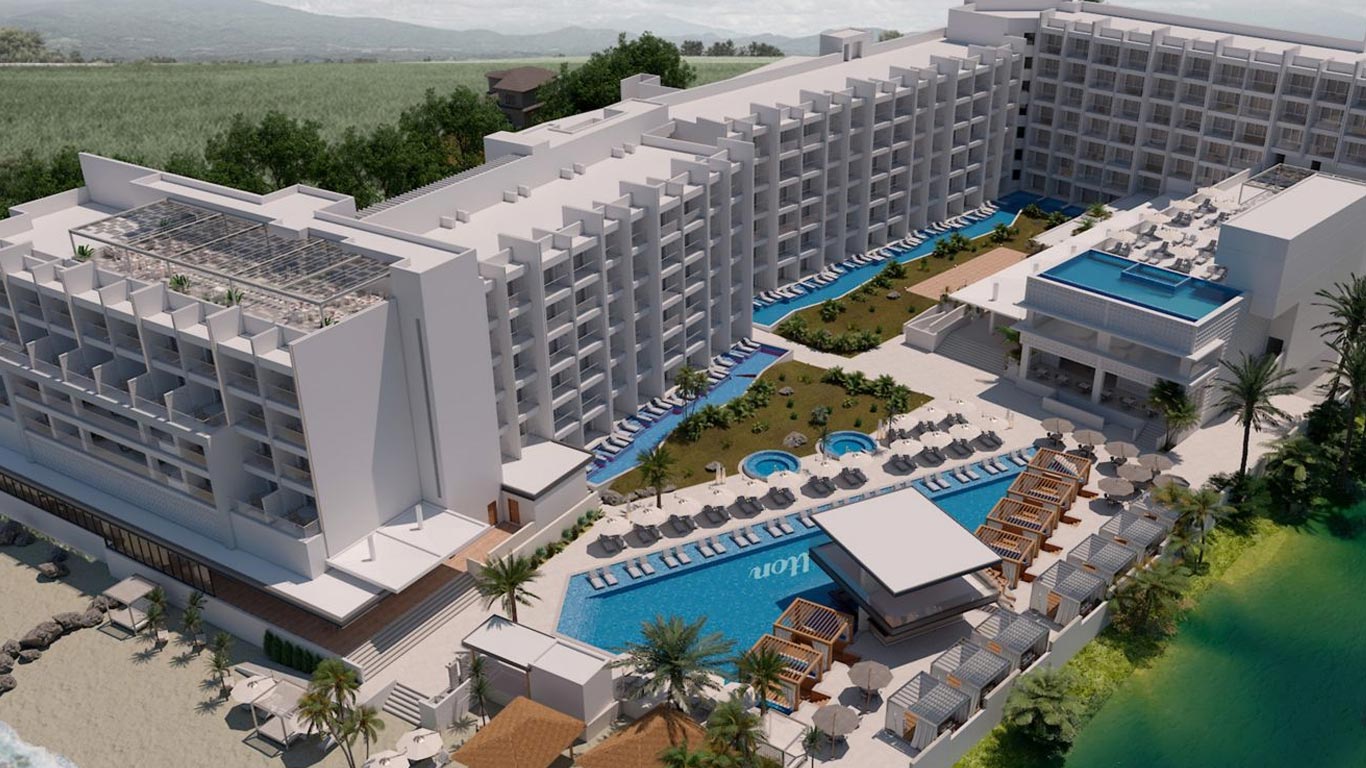
Most imagery available before opening consists of official architectural renderings and development previews.
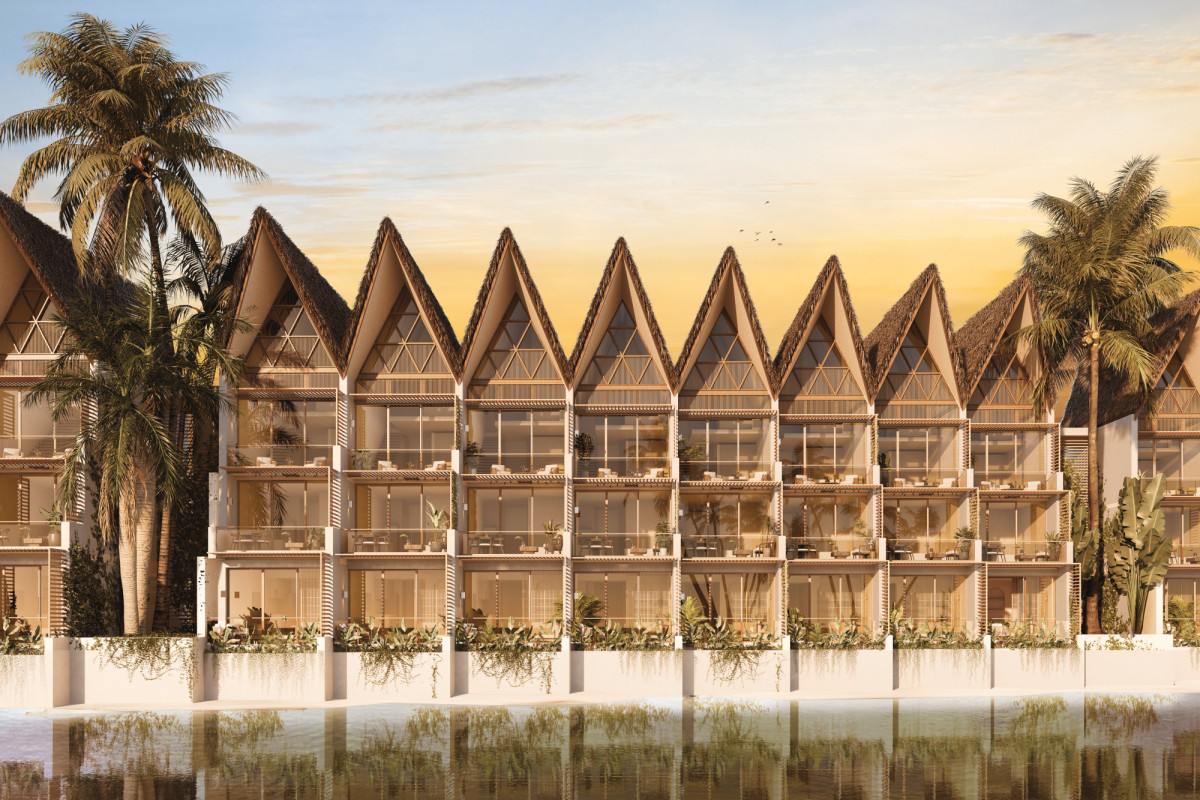
They provide a useful indication of the design direction: contemporary architecture, natural textures, open spaces, tropical landscaping, pools facing the Caribbean and a rooftop designed around ocean views.
But a rendering isn’t the same thing as a finished hotel photograph.
As construction progresses toward the March 2027 opening, travelers should expect Royalton to release more photographs and eventually real images of completed rooms, restaurants, pools and public areas.
Those will provide a much better indication of how closely the finished property matches the original concept.
Who should consider Royalton Vessence Cancun?
Based on everything announced so far, Vessence could be particularly attractive for:
Couples who want a sophisticated all-inclusive without moving fully into a party-resort atmosphere.
Groups of friends who can take advantage of Multi Bed Suites, connecting rooms, rooftop programming and nightlife elsewhere in Cancun.
Wellness-focused travelers interested in yoga, movement, spa treatments and a calmer vacation rhythm.
Food and drink enthusiasts attracted by tastings, cooking activities and multiple à-la-carte restaurants.
Creative travelers who actually like the idea of painting, pottery and hands-on workshops during vacation.
Marriott travelers who want an all-inclusive experience connected to the Autograph Collection ecosystem.
And potentially families with older teenagers, depending on Royalton’s final age policies for the resort.
The bottom line
Royalton Vessence Cancun could become one of Cancun’s more interesting new all-inclusive openings of 2027.
Not because Cancun needs another luxury resort.
It doesn’t.
What makes Vessence potentially different is the way Royalton is combining things that normally exist separately.
There’s the convenience and predictability of an all-inclusive resort.
But then there are art studios, pottery, culinary workshops, wine and spirit tastings, wellness programming, late-night swimming, rooftop experiences and a stronger emphasis on Mexican culture.
There are traditional luxury suites, but also new Multi Bed accommodations designed to adapt to groups.
There’s a quiet, wellness-focused positioning, yet Coco Bongo and Cancun’s nightlife remain only a short ride away.
And there’s direct Caribbean beachfront while Cancun International Airport is roughly 20–25 minutes from the resort.
For travelers who love the simplicity of an all-inclusive vacation but increasingly find the traditional formula repetitive, Royalton Vessence Cancun may be exactly the kind of evolution the category needs.
The biggest unknown is simply execution.
Until guests actually arrive after March 1, 2027, nobody can know whether the final experience will live up to the concept.
But based on what’s currently announced, Royalton Vessence Cancun is shaping up to be a resort worth watching—and potentially one of the more distinctive new options in Cancun’s Hotel Zone.
Beyond the Traditional All-Inclusive: INNSiDE by Meliá Plans Two Distinct Punta Cana Hotels for 2027
The Million Dollar Blog, 2027, INNSiDE Punta Cana Bay, INNSiDE Punta Cana Downtown, Meliá Punta Cana openings, new Punta Cana hotels 2027, New resort, New Resort 2027, New resort in Punta Cana, Oasis Bay Punta Cana, Oasis Lake Punta Cana, Resort opening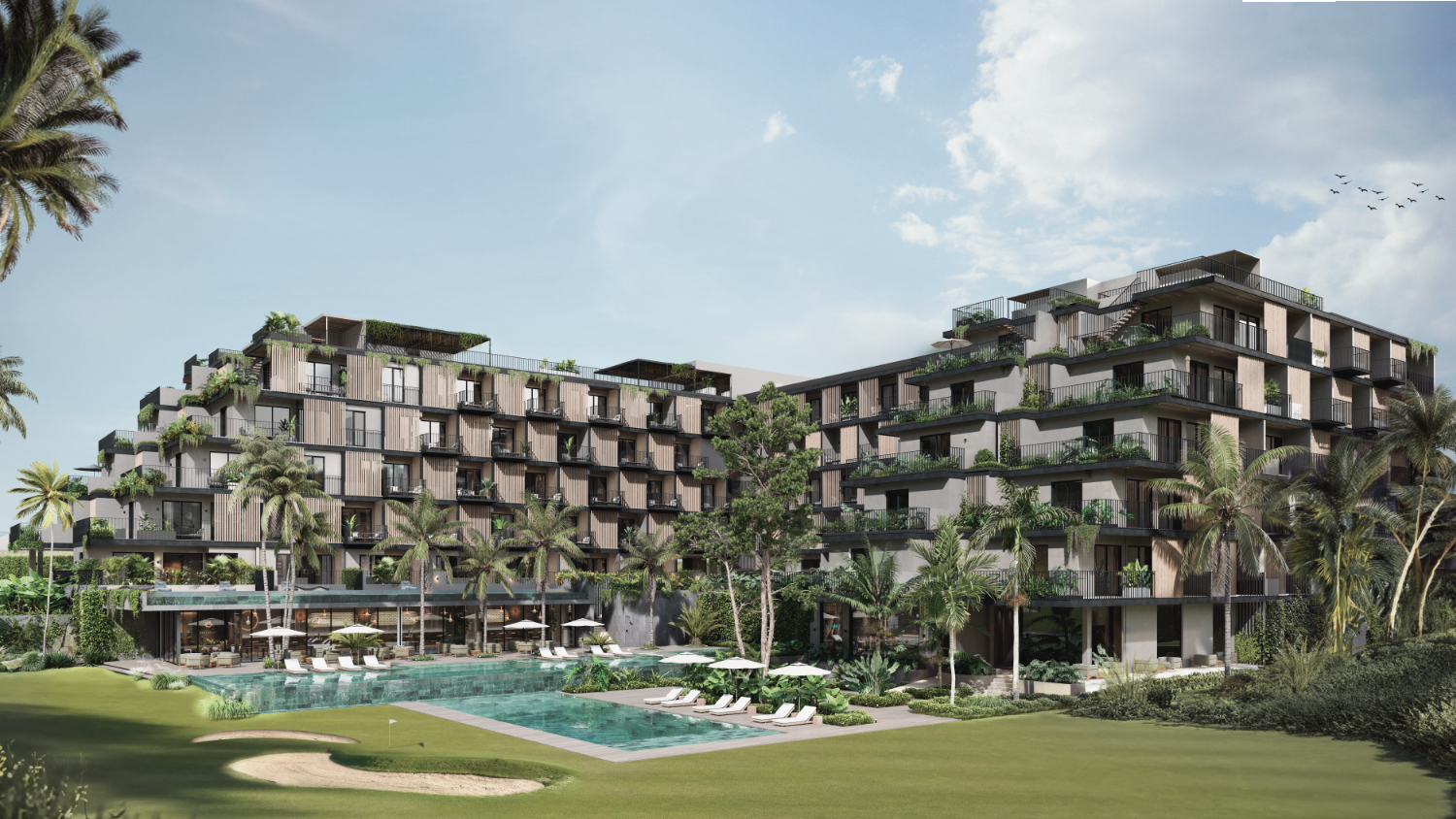
Key Insights
- Location: Former Carambola Beach Resort, Davis Bay, northwest St. Croix
- Development type: Comprehensive renovation and rebranding
- Planned inventory: 150 all-suite accommodations
- Guest positioning: Premium family-friendly resort for ages 12 and older
- Owner and redevelopment funder: VICI Properties
- Operator: Club Med
- Brand: Club Med Exclusive Collection
- Estimated total investment: At least US$77 million, including acquisition and redevelopment
- Restaurants: Three planned dining concepts
- Bars and lounges: Four
- Major amenities: Infinity pool, spa, yoga, pickleball, beach volleyball, water sports and guided excursions
- Employment commitment: 200 full-time jobs
- Current opening target: Late 2027
Beyond the Traditional All-Inclusive: INNSiDE by Meliá Plans Two Distinct Punta Cana Hotels for 2027
INNSiDE Punta Cana Downtown and INNSiDE Punta Cana Bay were announced as a combined 476-room expansion, introducing Meliá’s lifestyle brand to the Dominican Republic. One project turns toward Punta Cana’s growing urban centre; the other was announced for Arena Gorda Beach. Current developer materials, however, indicate that the final configuration may be evolving.
Punta Cana’s international reputation was built primarily along the coastline, where large all-inclusive resorts place rooms, restaurants, pools and entertainment within self-contained beachfront properties.
Meliá Hotels International’s next move takes a different approach.
The Spanish hotel company plans to introduce INNSiDE by Meliá through two new-build projects aimed at different sides of the destination: an urban, lake-oriented property in central Punta Cana and a leisure development associated with the Arena Gorda and Cana Bay area.
Announced in December 2024, INNSiDE Punta Cana Downtown and INNSiDE Punta Cana Bay were originally presented as a combined 476-room development scheduled to open in 2027. The hotels are being developed by Spain’s Vivantia Homes and were described as Meliá’s first franchised properties in the Caribbean.
The projects are significant not because they replicate Punta Cana’s existing resort formula, but because they attempt to broaden it. INNSiDE is positioned as a lifestyle brand where accommodation, social spaces, work, wellness and local culture overlap. The two Dominican properties are intended to serve leisure guests, business travellers and visitors who want greater access to the destination beyond a traditional resort compound.
A franchise-led expansion for Meliá
Meliá is not presenting the projects as company-owned resorts.
They are being developed through a franchise relationship with Vivantia Homes. Current Vivantia materials describe the properties as condo-hotels or luxury aparthotels, with units made available to individual investors and second-home buyers. Vivantia says Meliá will supervise the brand experience while Aimbridge provides professional hotel management.
Under that model, an individual may own a suite or apartment, use it during permitted periods and place it in the hotel’s rental program when it is not personally occupied.
For guests, the property should function as an INNSiDE hotel. Behind the scenes, however, the units may have multiple individual owners. This makes consistent design standards, maintenance, service and inventory management particularly important.
For Meliá, the franchise structure provides an asset-light expansion model: the company can extend its brand, distribution platform and loyalty ecosystem without owning the underlying real estate.
The original plan: 290 rooms downtown and 186 by the beach
Meliá’s original announcement divided the development into two clearly differentiated properties.
INNSiDE Punta Cana Downtown was announced with 290 rooms in the central urban area of Punta Cana, close to commercial districts, residential developments and daytime and nighttime entertainment.
INNSiDE Punta Cana Bay was announced with 186 rooms on Arena Gorda Beach, a long stretch of coastline in the northern Punta Cana and Bávaro resort area known for water sports, palm-lined sand and turquoise water.
Both hotels were described as being within a relatively short distance of Punta Cana International Airport.
The contrast was deliberate: one property would connect guests with the destination’s emerging urban life, while the other would offer a more conventional coastal vacation environment.
Current developer information provides substantially more detail—but it also raises questions about whether parts of the original plan have been renamed, reorganized or expanded.
INNSiDE Punta Cana Downtown
An urban and lake-oriented alternative
INNSiDE Punta Cana Downtown is intended to operate in the commercial and entertainment centre of Punta Cana rather than directly on the coast.
The original 290-room announcement positioned the hotel for travellers who want access to restaurants, retail, nightlife, residential communities and local services. That gives the property a fundamentally different role from the large beach resorts farther north along Bávaro and Arena Gorda.
It may also appeal to short-stay visitors, business travellers, remote workers, small meetings, pre- or post-resort stays and travellers who plan to explore the destination independently.
Oasis Lake and Oasis Lake II appear to form the 290-room project
Vivantia’s current development portfolio provides what appears to be the clearest explanation of the Downtown property’s physical structure.
The developer markets two adjoining or related condo-hotel projects at Caribbean Lake Park:
- Oasis Lake, with 80 apartments;
- Oasis Lake II, with 210 hotel suites.
Together, those projects total exactly 290 accommodations, matching the room count in Meliá’s original INNSiDE Punta Cana Downtown announcement. Vivantia explicitly identifies both developments with the INNSiDE Punta Cana Downtown hotel operation. This strongly suggests that Oasis Lake and Oasis Lake II represent two components or phases of the same announced hotel, although Meliá has not released an updated fact sheet formally confirming that interpretation.
Oasis Lake: the first 80 apartments
Oasis Lake is being marketed as an 80-unit eco-chic condo-hotel designed by Axis Arquitectura.
The architecture is described as drawing inspiration from Tulum, with contemporary forms, natural textures and extensive integration between indoor and outdoor spaces. Planned amenities include private pools, a gastrobar and coworking facilities.
The property is situated beside one of the natural lakes within Caribbean Lake Park. Developer materials advertise access to the wider park’s recreational infrastructure, which includes pools, water-based activities, a water park, Batú restaurant and the Maroca nightlife venue.
The precise terms of access have not been published in a final hotel fact sheet. Guests should not assume that every independently operated park attraction will be included in the room rate.
Oasis Lake II: 210 suites and extensive common areas
The larger second component, Oasis Lake II, is planned with 210 hotel suites.
Vivantia describes the project as a contemporary and sustainability-oriented aparthotel facing the largest lake within Caribbean Lake Park. Plans call for more than 15,000 square metres of common areas and services, along with access to water activities, dining, nightlife and coworking spaces.
The project is also designed under a condo-hotel structure. Vivantia says owners will be able to occupy their suites during permitted periods and generate rental income through the hotel program when they are away.
The combination of 80 apartments in Oasis Lake and 210 suites in Oasis Lake II could allow the Downtown hotel to offer different accommodation types, from conventional short-stay rooms to larger units suitable for extended visits. Final room categories, occupancy limits and kitchen facilities have not yet been released by Meliá.
What will guests find at the Downtown hotel?
Meliá’s announced program for the two Punta Cana hotels includes:
- A principal restaurant;
- A café;
- Grab-and-go food and beverage service;
- A wellness area;
- A swimming pool;
- A modern gym;
- A cinema;
- Creatively designed meeting rooms;
- Healthy beverage options;
- Yoga sessions;
- Bicycle tours;
- Events and exhibitions involving local artists.
The meeting rooms, coworking facilities and grab-and-go dining are especially relevant to the Downtown location. They support the brand’s effort to combine business and leisure rather than treating work facilities as a separate, formal conference department.
The cinema is one of the more unusual elements in the original announcement, although its size, programming and operating model have not been disclosed.
A hotel connected to a wider entertainment district
Caribbean Lake Park is being positioned as more than the physical setting for the hotel. Developer materials present it as part of the guest experience, with recreation, dining and nightlife surrounding the accommodation.
That could give INNSiDE Punta Cana Downtown a resort-like range of activities without placing everything inside one hotel building. It also creates an important distinction: some attractions may be operated by third parties and could have separate admission policies, age restrictions or fees.
A final hotel fact sheet will need to clarify which park facilities are included, which receive preferred access and which remain separately ticketed.
INNSiDE Punta Cana Bay
The property Meliá originally announced for Arena Gorda Beach
Meliá’s December 2024 announcement described INNSiDE Punta Cana Bay as a 186-room hotel positioned on Arena Gorda Beach.
The location would place the hotel in Punta Cana’s established northern resort corridor, surrounded by beaches, golf, water sports and existing tourism infrastructure. Its original positioning was more coastal and vacation-oriented than that of the Downtown property.
Renderings released with the announcement showed a contemporary lifestyle property with tropical landscaping and open-air public spaces. Those images are architectural visualizations—not photographs of a completed hotel.
Current developer materials use a different name and room count
Vivantia’s current portfolio introduces an important uncertainty.
Instead of using the original INNSiDE Punta Cana Bay name consistently, the developer refers to an INNSiDE Punta Cana Bávaro operation connected with its Oasis Bay developments in Cana Bay.
The principal Oasis Bay project is currently marketed with 172 luxury apartments, while a second phase called Oasis Bay II adds another 30 apartments. These numbers do not correspond with the original 186-room announcement and should not simply be substituted for it.
The public materials do not explain whether:
- The original 186-room Punta Cana Bay hotel was redesigned;
- Oasis Bay represents only one component of a larger hotel;
- Oasis Bay II is a subsequent expansion;
- Some units are residential inventory outside the hotel count;
- Or INNSiDE Punta Cana Bávaro is a revised name for the previously announced Punta Cana Bay property.
Until Meliá releases an updated development fact sheet, the precise final inventory remains unresolved.
Beachfront or near the beach?
The location descriptions also require careful wording.
Meliá’s original announcement placed the 186-room hotel on Arena Gorda Beach. Vivantia’s current Oasis Bay information describes a Cana Bay location associated with golf and private beach-club access. The developer also states that the principal Oasis Bay accommodations are approximately 1,500 metres from the beach.
These statements may reflect different phases, parcels or definitions of the larger project, but they should not be blended into an unsupported claim of direct beachfront access.
Until an updated site plan is available, the most accurate description is:
The original INNSiDE Punta Cana Bay was announced for Arena Gorda Beach, while current Vivantia materials place the associated Oasis Bay condo-hotel development in Cana Bay with access to a private beach club.
This distinction matters to travellers. Directly walking from a room to the sand is a materially different experience from taking a shuttle or travelling approximately 1.5 kilometres to a beach club.
Inside the 172-unit Oasis Bay development
Vivantia describes Oasis Bay as a collection of 172 apartments designed by Axis Arquitectura.
Planned amenities include:
- Three private swimming pools;
- A gym;
- A sauna;
- Mini-golf;
- Coworking facilities;
- A skybar with barbecue service;
- Access to golf;
- Access to a private beach club.
The development combines resort amenities with residential and investment functions. Units are being marketed to buyers who may use the apartments personally and place them in the INNSiDE-operated rental program when absent.
The range of residential unit types has not been translated into an official hotel room-category list. Guests will eventually need to know which apartments are available through Meliá, what services are standardized and whether housekeeping, food and beverage, beach transportation and resort access are included in every rate.
Oasis Bay II adds another 30 apartments
Oasis Bay II is being marketed as a second phase with 30 apartments facing the Cana Bay Beach & Golf environment.
Vivantia says most will have private pools and views toward the sea or golf landscape. Residents and hotel guests are expected to have access to the amenities of Oasis Bay’s first phase.
Once again, it is unclear whether all 30 apartments will be counted as part of the hotel’s permanent room inventory. Condo-hotel projects can include units whose owners participate in the rental program and others that remain primarily private residences.
The final sellable room count may therefore differ from the number of physical units constructed.
What both INNSiDE hotels are expected to share
Despite their different settings, Meliá announced a common lifestyle program for the two properties.
Both are expected to include a restaurant, café, grab-and-go service, wellness facilities, a pool, fitness amenities, a cinema and design-oriented meeting spaces. Programming is intended to include yoga, cycling, healthy beverages, cultural events and displays by local artists.
The concept is designed around a less formal boundary between work and leisure. A guest might use a coworking area in the morning, attend a meeting in the afternoon and move into a dining, art or social environment without leaving the property.
This fits the broader INNSiDE identity, which Meliá presents as a flexible lifestyle brand for both urban and vacation destinations.
These hotels have not been confirmed as all-inclusive
One of the most important editorial distinctions is what Meliá has not announced.
The original development release did not identify either INNSiDE Punta Cana property as an all-inclusive hotel. It mentioned a restaurant, café and grab-and-go service but did not specify an all-inclusive board plan, buffet program, unlimited beverages or included activities.
The projects should therefore be described as lifestyle hotels, aparthotels or condo-hotels—not as all-inclusive resorts—unless Meliá later announces a specific meal plan.
This sets them apart from much of the company’s existing Punta Cana portfolio and could make them more attractive to guests who want to explore restaurants and attractions beyond their hotel.
What the condo-hotel model means for travellers
Vivantia’s sales material emphasizes the investment opportunity: individual owners may occupy their units and earn income through hotel rentals when they are not using them.
For travellers, the arrangement can offer larger accommodations and residential features. It can also create operational questions:
- Will every unit follow exactly the same interior design?
- Will all accommodations receive identical maintenance and housekeeping?
- Which units will be available through Meliá’s booking system?
- Will some amenities be limited to owners or specific buildings?
- Will hotel guests have guaranteed access to the beach club, golf facilities or Caribbean Lake Park?
- Which services will carry additional fees?
Meliá’s brand supervision and Aimbridge’s reported management role are intended to provide consistency, but the final hotel policies have not yet been published.
Two properties for different Punta Cana experiences
The Downtown and Bay projects should not be treated as interchangeable hotels.
INNSiDE Punta Cana Downtown is the more unconventional proposition. Its lakeside setting, coworking areas, entertainment access and urban location position it for travellers who want a broader view of Punta Cana than a beach resort ordinarily provides.
The property associated with INNSiDE Punta Cana Bay or Bávaro is oriented more strongly toward beaches, pools, golf and residential-style accommodations. Its appeal will depend heavily on the final beach-access arrangements and the degree to which the hotel integrates its different Oasis Bay phases.
For a group travelling together, the two projects could serve entirely different needs. A business traveller or remote worker may prefer Downtown, while a leisure guest prioritizing golf and beach-club access may choose the Bay development.
Are the hotels still opening in 2027?
The most recent public project information reviewed continues to associate the hotels with a 2027 opening target.
However, neither Meliá nor Vivantia has announced a specific opening month, reservation launch or first available stay. Vivantia’s current pages classify Oasis Lake, Oasis Lake II, Oasis Bay and Oasis Bay II as being in the marketing stage.
The wording used in publication should therefore remain:
Scheduled or expected to open in 2027.
The hotels should not be described as accepting reservations until a live booking page or official sales announcement is available.
What still needs to be confirmed
Several important elements remain unresolved as of July 28, 2026:
- The final opening month for each property;
- The definitive name of INNSiDE Punta Cana Bay or INNSiDE Punta Cana Bávaro;
- Whether the official Bay inventory remains 186 rooms;
- How the 172-unit Oasis Bay and 30-unit Oasis Bay II phases relate to that count;
- Whether all units will participate in the hotel rental program;
- The exact location and method of beach access;
- Available room categories;
- Restaurant names and menus;
- Meal-plan options;
- Included versus supplementary amenities;
- Final meeting-space capacities;
- The date reservations will begin.
These gaps do not mean the projects are inactive. They indicate that the public-facing development information is still evolving and that investor-marketing materials have moved ahead of the final hotel fact sheet.
A different direction for Punta Cana
The two INNSiDE properties represent a broader change in how Punta Cana is developing.
The destination is still adding large beachfront all-inclusive resorts, but it is also gaining lifestyle hotels, condo-hotels, branded residences, urban entertainment districts, coworking environments and accommodations designed for more independent travel.
Meliá’s strategy appears to recognize that not every future visitor will want the same type of Punta Cana vacation.
INNSiDE Punta Cana Downtown is designed around the city, lakes, work and entertainment. INNSiDE Punta Cana Bay was announced around the beach, while current developer plans emphasize Cana Bay, golf, residential-style units and private beach-club access.
Their success will depend on more than design and branding. It will depend on whether Meliá and its development partners can clearly explain what each hotel is, where it is located, what a stay includes and how the condo-hotel ownership structure will affect the guest experience.
The concept is compelling. The next essential step is clarity.
INNSiDE Punta Cana projects: confirmed facts
INNSiDE Punta Cana Downtown
- Original announced inventory: 290 rooms
- Setting: Central and urban Punta Cana
- Developer: Vivantia Homes
- Current associated developments: Oasis Lake and Oasis Lake II
- Current developer inventory: 80 apartments plus 210 suites
- Architect: Axis Arquitectura
- Property model: Condo-hotel/aparthotel
- Reported management: Aimbridge under Meliá brand supervision
- Opening target: 2027
INNSiDE Punta Cana Bay
- Original announced inventory: 186 rooms
- Original announced setting: Arena Gorda Beach
- Developer: Vivantia Homes
- Current associated identity: INNSiDE Punta Cana Bávaro/Oasis Bay
- Current developer inventory: 172 apartments in Oasis Bay and 30 in Oasis Bay II
- Current location description: Cana Bay, with golf and beach-club access
- Property model: Condo-hotel/aparthotel
- Opening target: 2027
Club Med Breaks Ground on St. Croix, Reimagining Historic Carambola for a 2027 Return
The Million Dollar Blog, 2027, Club Med St Croix New Resort 2027, Club Med St. Croix, New Club Med resort, New resort, New Resort 2027, New resort in Punta Cana, Resort opening, St Croix Resort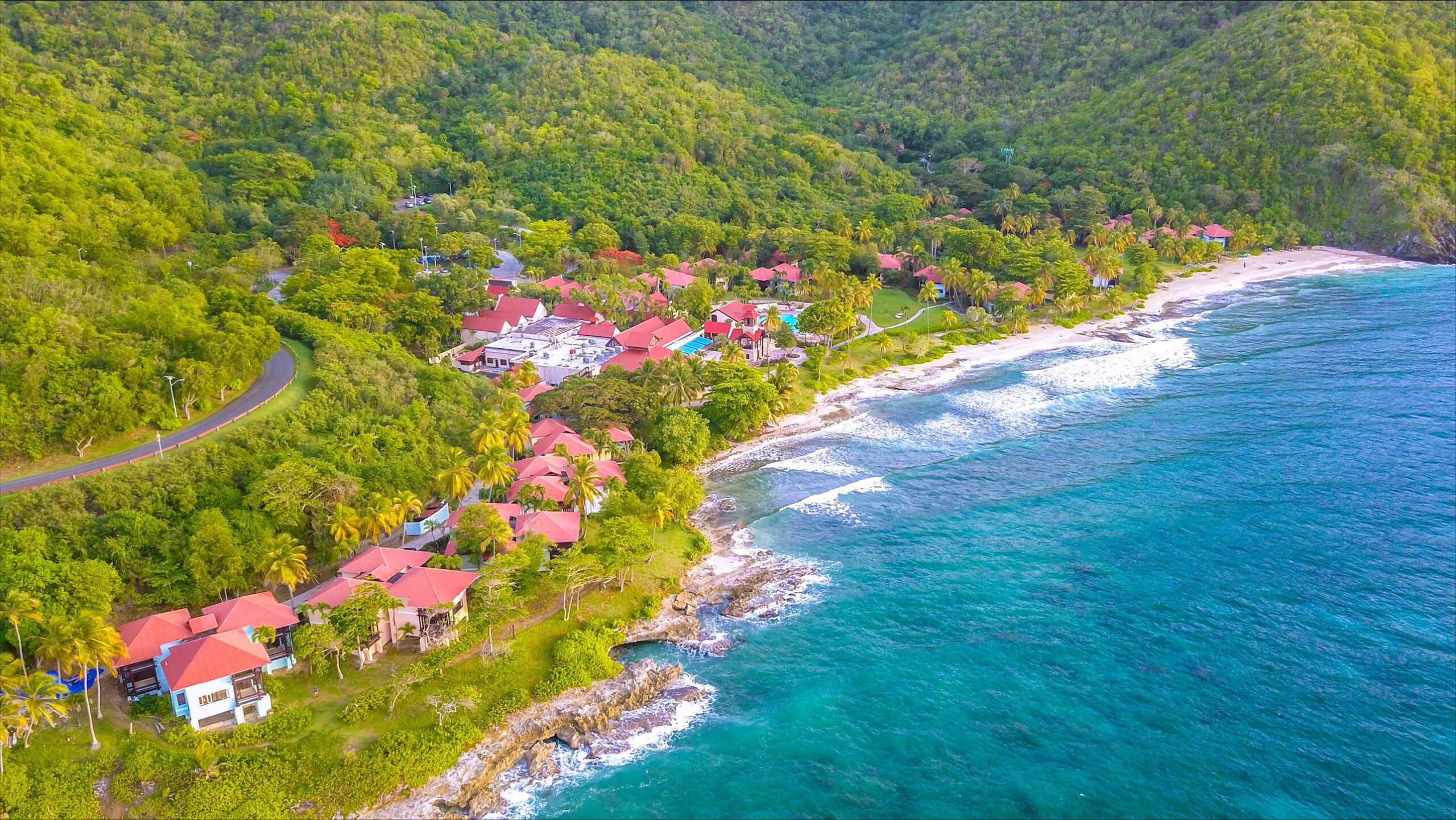
Key Insights
- Location: Former Carambola Beach Resort, Davis Bay, northwest St. Croix
- Development type: Comprehensive renovation and rebranding
- Planned inventory: 150 all-suite accommodations
- Guest positioning: Premium family-friendly resort for ages 12 and older
- Owner and redevelopment funder: VICI Properties
- Operator: Club Med
- Brand: Club Med Exclusive Collection
- Estimated total investment: At least US$77 million, including acquisition and redevelopment
- Restaurants: Three planned dining concepts
- Bars and lounges: Four
- Major amenities: Infinity pool, spa, yoga, pickleball, beach volleyball, water sports and guided excursions
- Employment commitment: 200 full-time jobs
- Current opening target: Late 2027
Club Med Breaks Ground on St. Croix, Reimagining Historic Carambola for a 2027 Return
The redevelopment of the former Carambola Beach Resort will bring Club Med back to U.S. territory with 150 suites, premium all-inclusive service and a significant package of public incentives. The larger question is whether the project can preserve the character of Davis Bay while delivering the jobs, cultural integration and local economic benefits promised to St. Croix.
Steel-pan renditions of the United States and Virgin Islands anthems opened the ceremony. Then hotel executives, investors and public officials stepped onto the sand at Davis Bay and turned the first ceremonial shovels.
The July 15, 2026, groundbreaking marked the beginning of a new life for Carambola Beach Resort, one of St. Croix’s best-known coastal properties. When it reopens as Club Med St. Croix, currently expected in the fourth quarter of 2027, the resort will also mark Club Med’s return to U.S. territory after an absence of approximately five years.
But the development is more than another Caribbean hotel opening. It combines the restoration of an architecturally distinctive 1980s resort, the arrival of a major international all-inclusive brand, an investment of at least US$77 million and a 30-year package of economic-development incentives tied to employment, local residency and cultural-programming commitments.
A historic resort enters a new era
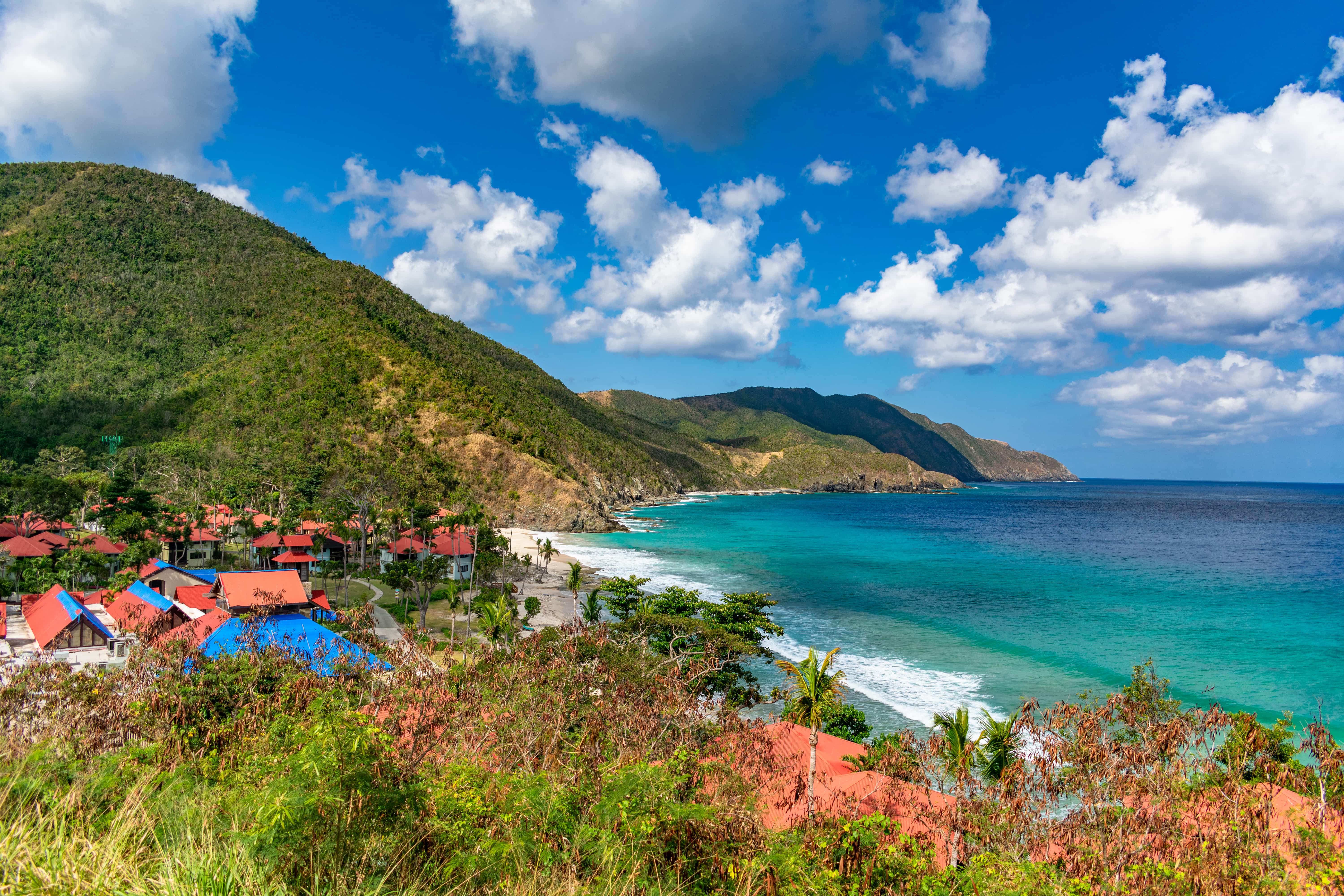
Club Med St. Croix is not being built on untouched beachfront. It is a comprehensive redevelopment of the former Carambola Beach Resort on the island’s northwest coast.
Originally developed in 1986 as part of the RockResorts portfolio, the property was shaped by the conservation philosophy associated with philanthropist Laurance Rockefeller. Its low-rise buildings, hardwood, native stone and steep shingled roofs were intended to sit within the Davis Bay landscape rather than dominate it. The resort occupies a setting between a crescent-shaped beach and the tropical vegetation rising behind it.
Club Med says the redevelopment will preserve the spirit and natural character of that original design while elevating the property to the standards of its Exclusive Collection, the company’s most refined resort category.
That distinction matters. Club Med St. Croix is being positioned above the company’s standard premium portfolio, with more personalized service, spacious accommodations, lower-density planning and a greater emphasis on design and destination-specific experiences. At the time of the groundbreaking announcement, Club Med described it as only the second Exclusive Collection property in North America.
Who owns the future Club Med St. Croix?
The ownership structure is more complex than a traditional hotel acquisition.
VICI Properties, a real-estate investment trust best known for owning hospitality, gaming and entertainment properties, acquired the former Carambola resort. VICI then entered into a long-term triple-net lease with Club Med and agreed to finance the redevelopment. Club Med will operate the completed resort under its own brand but will not own the underlying real estate.
Under a triple-net lease, the hotel operator generally assumes responsibility for property expenses such as maintenance, insurance and applicable taxes, while the real-estate company retains ownership of the asset. For VICI, St. Croix adds a new type of leisure property to its portfolio. For Club Med, the arrangement provides a route back into the U.S. market without requiring the company to purchase the resort property itself.
Reconciling the project’s different investment figures
Several figures have been used to describe the development, and they do not all measure the same thing.
VICI’s property information describes an approximately US$55-million renovation. Documents from the Virgin Islands Economic Development Authority provide a broader accounting: approximately US$21 million to purchase the real estate and improvements, plus another US$56 million for redevelopment, producing a total investment of at least US$77 million. The project’s economic-development application also commits the applicants to a minimum capital investment of US$62.8 million in the benefited business.
The safest journalistic description is therefore:
Club Med and VICI are advancing an approximately US$77-million acquisition and redevelopment, including about US$55 million to US$56 million in planned renovation work.
This avoids treating the acquisition cost, construction budget and minimum qualifying investment as though they were interchangeable.
A 150-suite resort for guests aged 12 and older
Club Med St. Croix is planned as a 150-key, all-suite resort with a low-density layout inspired by the island’s rainforest, coastline and natural landscape.
The property will be family-friendly, but not oriented toward young children. Club Med says it is being designed for guests 12 years of age and older, placing it between a conventional family resort and an adults-only retreat. That positioning could appeal to couples, families travelling with teenagers, active multigenerational groups, weddings and incentive programs.
Detailed suite categories have not yet been released. Club Med has not publicly confirmed the number of standard suites, premium suites, connecting accommodations or signature units, nor has it announced opening rates.
The company has said that the suites will combine contemporary technology with materials and design references drawn from St. Croix’s natural environment. Because this is a redevelopment of an existing 150-room resort, the final design will have to balance the original building configuration with Club Med’s current accommodation standards.
Three dining concepts and four bars
The resort’s culinary program is expected to include three principal dining concepts:
- A signature restaurant;
- A beachfront restaurant or dining venue;
- A café with convenient grab-and-go service.
Four bars and lounges are also planned across the resort. Club Med says the food-and-beverage program will combine international cuisine with Caribbean influences, although individual restaurant names, menus and chef partnerships have not yet been announced.
The limited number of restaurants relative to some much larger Caribbean all-inclusive complexes reflects the resort’s more intimate, 150-suite scale. The success of the culinary program may depend less on the number of outlets than on how effectively the restaurants integrate Crucian products, recipes and culinary talent.
Club Med and local officials have said the development is expected to work with Virgin Islands farmers, artisans, excursion operators and service providers. Those relationships could give the resort a stronger sense of place while allowing more visitor spending to circulate through the local economy.
An infinity pool, spa and active-resort program
Planned amenities include a new infinity pool overlooking the Caribbean Sea and a full-service spa. Club Med has also identified pickleball, beach volleyball, yoga, non-motorized water sports and guided outdoor excursions as components of the guest experience.
This activity program is consistent with Club Med’s historical positioning. The company has long combined accommodation, meals and entertainment with organized sports and social activities. At St. Croix, however, the company is also promising experiences connected to the island’s culture and landscape rather than an entirely self-contained resort program.
No final list of excursions has been published. It remains to be seen how the resort will work with local operators and whether activities will include experiences related to St. Croix’s marine environment, food, agriculture, music, history and protected natural areas.
Club Med’s return to the United States
Club Med St. Croix will be the brand’s only operating resort in U.S. territory when it opens under the current plan.
The company’s previous U.S. property, Club Med Sandpiper Bay in Port St. Lucie, Florida, ceased operating under the Club Med flag in September 2022 after more than 40 years. The St. Croix project therefore represents both a geographic return and a significant repositioning—from a large sports-oriented Florida resort to a smaller, more upscale Caribbean property in the Exclusive Collection.
The U.S. Virgin Islands also offer a practical advantage for the domestic market: U.S. citizens travelling from the mainland United States or Puerto Rico do not require a passport. Non-U.S. citizens remain subject to the applicable requirements for entering U.S. territory.
The economic promise: 200 direct jobs
Club Med and VICI project that the completed resort will create approximately 200 direct jobs, accompanied by at least as many indirect opportunities connected to suppliers, transportation, agriculture, excursions and other services.
The applicants have formally committed to employing 200 full-time workers, with that employment level expected to be reached by December 31, 2028.
Club Med has publicly said that approximately 80% of the direct jobs are expected eventually to be filled by local talent. The economic-development agreement, however, provides a more gradual and enforceable schedule:
- At least 65% of employees must be U.S. Virgin Islands residents from the opening through December 31, 2028;
- The resident share must reach at least 75% by the end of 2029;
- The standard 80% residency requirement must be met by the end of 2031;
- At least 20% of management, supervisory and technical positions must be held by U.S. Virgin Islands residents.
That distinction is important. The frequently cited 80% local-employment figure is a longer-term target, not necessarily the required staffing composition on opening day.
The agreement also requires the resort to provide formal notice of employment opportunities to former Carambola employees within the first year after reopening.
A substantial public incentive package
In exchange for its investment and employment commitments, the project received approval for 100% of the incentives authorized under the Virgin Islands Economic Development Commission program for 30 years.
That should not be simplified into a claim that every part of the business will be entirely tax-free. The decision excludes certain revenues, including retail sales, concessions and rental activities not owned and operated by the beneficiary. The resort will also be required to collect the applicable hotel room tax.
The agreement attaches other obligations to the incentives. These include maintaining a hotel brand comparable in quality to Club Med St. Croix, observing resident-employment requirements, complying with territorial labour standards and incorporating cultural programming into the resort’s operations.
The approved cultural commitments encompass food, visual arts, music, entertainment, education, excursions and community engagement. These requirements give the territory a mechanism to evaluate whether the resort’s promised connection to St. Croix becomes part of daily operations rather than remaining only a marketing theme.
Local suppliers, training and cultural representation
Club Med representatives have discussed working with local farmers, businesses and the University of the Virgin Islands to develop supply chains, apprenticeships and hospitality-career opportunities.
Detail Theory Studio, a St. Croix-based company, has also been identified as providing local design support to the project.
These relationships could become some of the development’s most consequential elements. A resort can create hundreds of jobs while still importing a large share of its food, materials, expertise and entertainment. The economic impact will be greater if the property purchases locally, gives residents paths into management positions and presents St. Croix’s culture through Crucian voices and businesses.
The project’s progress should therefore be measured not only by construction milestones and future occupancy rates, but also by supplier contracts, workforce training and the proportion of supervisory positions held by island residents.
Preserving the Carambola legacy
Club Med says the redevelopment will protect the property’s historic roots and relationship with the surrounding landscape.
The original Carambola design was closely tied to Rockefeller’s approach to resort development: buildings should be integrated with nature, use local or natural materials where possible and avoid overwhelming the coastline. Club Med has referred to a low-density plan and architecture inspired by St. Croix’s rainforest and island environment.
Still, important architectural details have not been disclosed. The company has not publicly specified which buildings will be preserved, which will be substantially reconstructed or how much of the original material will remain.
Until detailed plans are released, the project is best described as a comprehensive redevelopment that intends to retain the spirit of Carambola—not as a strict historical restoration.
Sustainability certifications are targets, not completed achievements
The development is targeting BREEAM and Green Globe certifications.
BREEAM is associated primarily with the design and environmental performance of buildings, while Green Globe evaluates sustainability practices within tourism operations. Club Med has used both frameworks at other properties.
At this stage, neither certification has been awarded to Club Med St. Croix. The accurate wording is that the project is pursuing or targeting certification.
The resort’s environmental performance will eventually depend on measurable decisions involving energy, water, waste, construction materials, coastal resilience, landscaping, food procurement and marine activities. Certification results and operating data will provide stronger evidence than the current development promises alone.
When will Club Med St. Croix open?
Club Med and VICI’s principal public target is the fourth quarter of 2027.
A local report following the groundbreaking referred to construction being completed and the resort becoming operational by the third quarter of 2027. No exact opening day, reservation launch or inaugural season has been announced. The safest publication language is therefore “expected to open in late 2027.”
As with any major Caribbean redevelopment, the schedule could be influenced by construction conditions, permitting, procurement, weather and the final certification process.
A resort that will be judged beyond its opening day
The return of a prominent international hotel brand gives St. Croix a significant new development story. Club Med St. Croix could restore an important beachfront property, expand the island’s accommodation inventory and introduce the territory to travellers who already know the company’s all-inclusive resorts elsewhere in the Caribbean.
Yet the project’s most important results will not be visible in a rendering.
They will be found in the number of Virgin Islanders hired and promoted, the contracts awarded to local businesses, the treatment of the Davis Bay landscape and the degree to which Crucian culture is represented by the people who live it.
The groundbreaking began the construction story. The more meaningful test will begin when the first guests arrive.